Funding Outside the US Through a Philanthropic Intermediary
A US funder can reach groups outside the US through an intermediary in two ways. It can give to a US-based charity that makes grants abroad, or it can partner with an intermediary based outside the US. A UK or European based fiscal host may be a better fit than a US fiscal sponsor, particularly when it already has experience working with the groups, countries and funding arrangements you want to support.
Most US global giving still doesn’t reach grassroots groups directly. Between 2020 and 2023, large US foundations awarded just 14% of their global grant dollars to organisations headquartered in the countries where the work took place, according to the Council on Foundations and Candid. If you want more of your funding to reach grassroots groups abroad, a trusted intermediary based outside the US can help you reach them.
Why Grassroots Groups Are Hard to Fund From the US
Between 2020 and 2023, more than half (54%) of large US foundations’ global grant dollars went through US-based nonprofits. Even foundations that do fund directly do it rarely: those making direct grants made a median of seven over the four years, fewer than two a year (Council on Foundations).
Practical barriers add to the problem. Many funders expect a registered organisation with a bank account in its own name (Philea), and worries about due diligence and a lack of audited accounts can push them towards large international NGOs (The Social Change Nest). Plenty of the groups closest to the work, from volunteer-led projects to large movements responding to a crisis, can’t meet those expectations.
What a Non-US Intermediary Does for You
A good intermediary abroad takes on the work that’s hardest to do from the US. Most do some mix of the following:
- Finds and checks groups, drawing on networks and partners you may not have.
- Signs the grant agreement and holds and distributes the money, so you contract with a registered organisation.
- Handles cross-border payments and the compliance checks that come with them.
- Runs grant processes that suit grassroots groups, from small volunteer-led projects to large, fast-moving global movements.
- Pulls together the reporting you need for your records and your board.
- Feeds what it learns on the ground back to you.
- Spreads the risk to keeps funding moving during politically volatile times.
Experience counts when things change quickly. An intermediary that already moves money across borders can adjust a grant while it’s running, for example when a crisis means a group needs funds sooner than planned.
How The Social Change Nest Works With US Funders
The Social Change Nest is a UK-based Fiscal Host, the model many US funders know as fiscal sponsorship. We’re a Community Interest Company, set up in 2020, and we’ve moved over £50M to community groups and changemakers since then.
We’re part of funder networks on both sides of the Atlantic, including Justice Funders in the US and Philea, Ariadne and London Funders in Europe and the UK.
We have an equivalency determination on file with NGOsource. If your foundation uses NGOsource, you can request a certificate for us there.
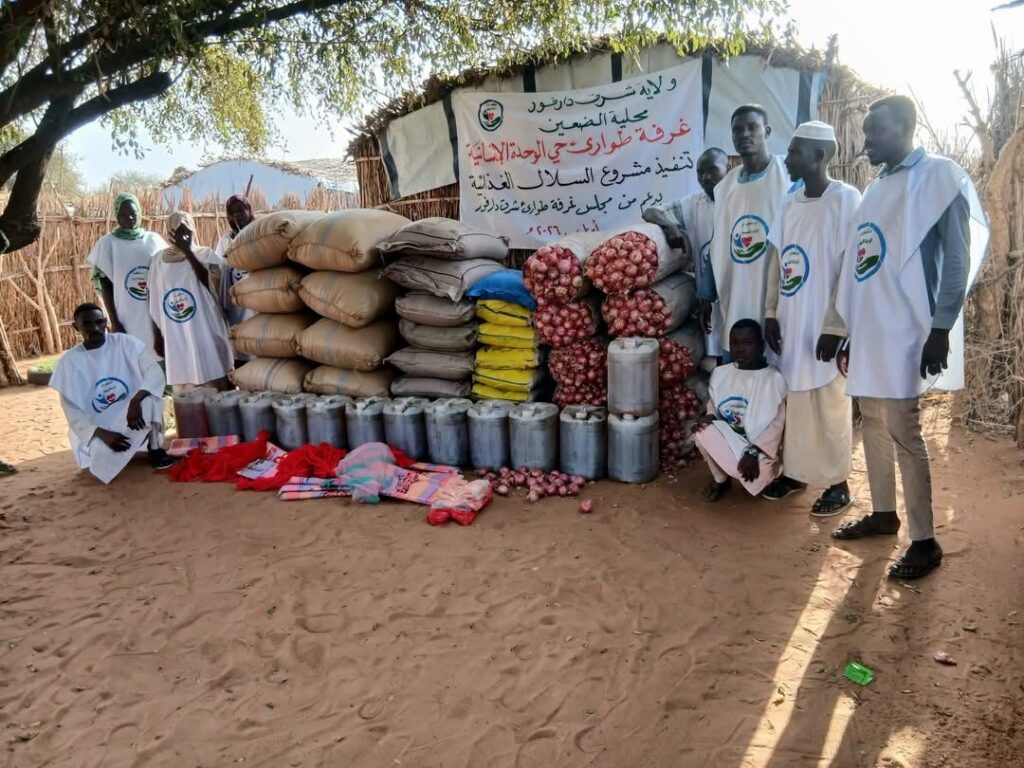
We sign the grant agreement, hold the funds and process payments, while the group decides how to spend the money. That lets you fund groups that aren’t legally registered, from local projects to large movements like the Sudan Emergency Response Rooms, a network of more than 2,100 volunteer-led groups that we fiscally host and that has been nominated for the Nobel Peace Prize three years running.
We work with funds as well as groups. We hold money for pooled and collaborative funds as a neutral party and take on the admin, due diligence and grant distribution. We host regranters too, helping them receive grants and distribute them around the world. In 2024, our international grant distribution reached groups in 46 countries across six continents. We’ve now distributed funds to groups and individuals in 73 countries.
Since 2021, we’ve run a microgranting programme with the Urban Movement Innovation Fund (UMI Fund), moving over $2M (USD) to more than 400 grantees, most of them in Global Majority countries. The UMI Fund sets the focus and funds the grants, and we handle the due diligence, payments and financial reconciliation. As the UMI Fund puts it:
“The facility to move microgrants has transformed a whole section of our programme.”
Five years in, we’ve learned that due diligence has to work for the people you’re funding. We run ID checks on people all over the world, and not everyone has the same access to devices, documents or even electricity. So we use Vouchsafe, which lets people verify who they are with digital evidence, documents or a vouch from someone they trust. Reporting is flexible too. On the UMI Fund programme, grantees can send a written report, a video or a series of photos, or talk it through on a call with our team.
Our fee for funders is bespoke, from 8–15%, depending on what you need. International set-ups vary by country, so we’ll talk you through yours first.
Questions to Ask a Non-US Philanthropic Intermediary
Use these to compare intermediaries before you commit.
- Does it have a current equivalency determination? Ask who carried it out, such as NGOsource, and how recent it is.
- How will it make sure your grant is used for charitable purposes? Ask about its due diligence, grant agreements and reporting.
- Will its checks work for the groups you fund? Ask how it verifies people without photo ID or reliable internet, and how they can report back.
- Who decides how the money gets spent? Ask how much say local groups have, and whether the intermediary shares power with them.
- Can it fund groups that aren’t legally registered? Many of the groups closest to the work have no legal entity, so check the intermediary can reach them.
- What does it charge, and what’s included? Fiscal Host fees typically fall between 5% and 15% of the funding, depending on how much support is included.
- Which countries can it pay into? Check its experience in the places you fund, including its checks against sanctions and anti-terrorism rules.
- What reporting will you get? Make sure it gives your board and your auditors what they need.
Funding Outside the US: Your Questions Answered
What’s the Difference Between a US-Based and a Non-US Intermediary?
A US-based intermediary is a US charity that receives your grant and makes grants abroad. A non-US intermediary, such as a UK Fiscal Host, is based outside the US and brings networks and experience you may not have at home. Using one can also help spread risk during politically volatile times.
Can I Fund an Unincorporated Group Abroad?
A Fiscal Host can make it possible. We sign the grant agreement and receive and distribute the grants, that way you work with a registered organisation while the group keeps control of its decisions.
Does The Social Change Nest Have an Equivalency Determination?
Yes. We have an equivalency determination on file with NGOsource. If your foundation uses NGOsource, you can request a certificate for us there.
How Much Does a Non-US Intermediary Charge?
There’s no single rate, but Fiscal Host fees typically fall between 5% and 15% of the funding, depending on how much support is included. The Social Change Nest charges funders a bespoke fee of 8–15%.
Ready to Fund Beyond the US?
If you’re a US funder who wants to reach grassroots groups in the UK, Europe or further afield, get in touch with our team. We’ll talk through where you want to fund, which route suits your foundation and what we’d need from you.f
New to intermediaries? Start with our guide, ‘What Is a Philanthropic Intermediary? A Guide for Funders‘.