Overcoming Barriers, Sparking Change: What have Microgrants helped to achieve?
Continuing on from Inside our Grant Distribution Work, and How Microgrants are Powering Grassroots Solutions, this blog shares the outcomes of some of our grantees projects, the challenges that they faced, whether they would apply again and advice for future applicants.
At the Social Change Nest, we believe that great community change is made by those on the ground. We’ve been working with the Urban Movement Innovation Fund (UMI Fund) for five years now, and during this time the climate emergency worldwide has progressively worsened, and the urgency to address it has increased.
The waves of grantees that our partnership has been able to support focus on climate as their priority.
Coming from different backgrounds and expertise, our grantees are united in their shared goal to spark change within their communities. They see and experience the challenges around them, and are driven by their dedication and commitment to make a difference. This transformation is nothing short of phenomenal.
However, being youth-led climate activists, they also experience the challenges that come with this work. The third blog in our International Grant Distribution series will focus on some of the high moments and challenges that they faced, whether they would apply again, and any advice that they have for future grantees.
In case you missed it the first time, here’s a closer look at what some of the UMI Funding allowed in 2024, through the perspectives of the wonderful grantees:

Amara Nwuneli
Preserve Our Roots - Nigeria
Read more
Amara is 17 years old, making her our youngest grantee and activist! After experiencing her first climate disaster, flash floods in Lagos, Amara knew she wanted to do something to help the local community. Preserve Our Roots created the G.R.E.E.N Recycled Materials Park Initiative, which transformed an underutilised area within a low-income community into a vibrant, environmentally conscious and educational recreational space. The park was designed and constructed using recycled materials, showcasing environmental protection and sustainable development for the whole community.
Chido Nyaruwata
Flames and Lillies Climate Initiative - Zimbabwe
Read more
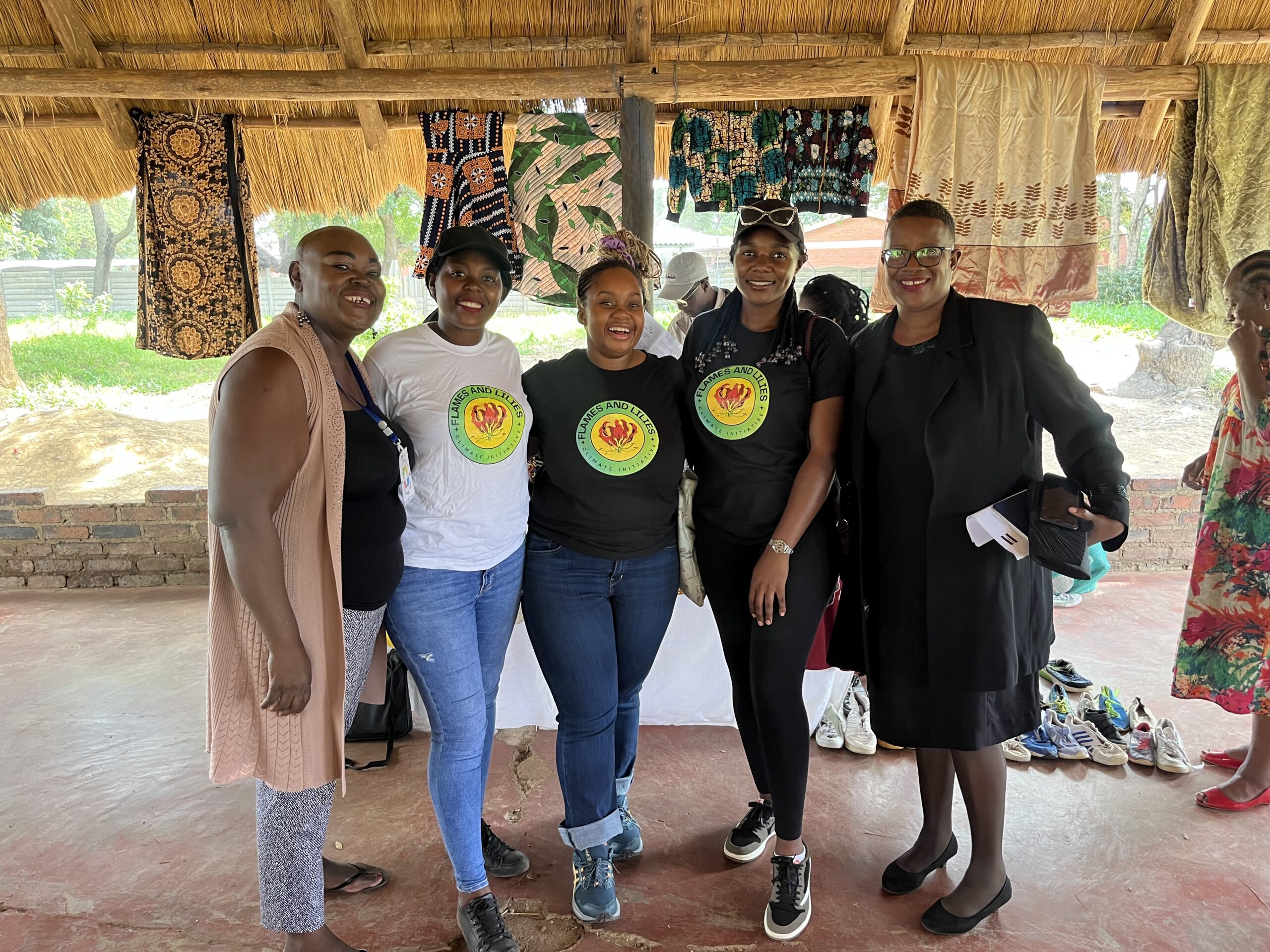
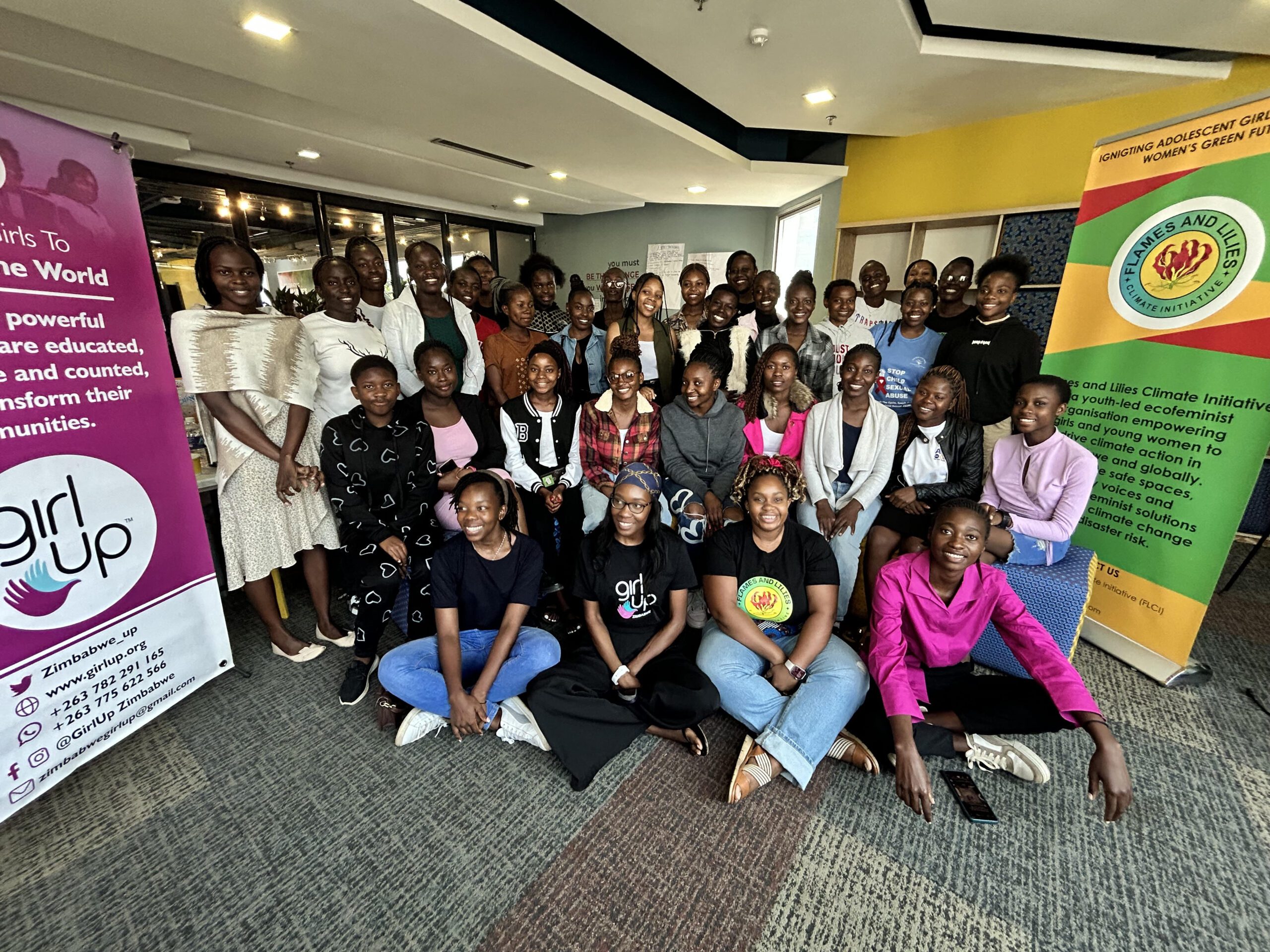
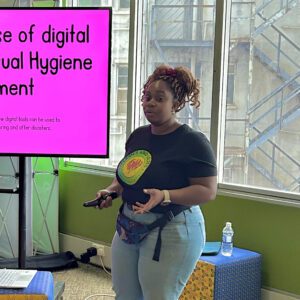
In the knowledge that some individuals were more vulnerable to environmental health-related diseases than others, Chido wanted to create safe spaces for girls and young women to learn and enhance their knowledge about climate change. Flames and Lillies ran the ‘Girl-led Disaster Risk Reduction (DRR): Securing a Sustainable Future in Harare’ programme, which addressed the intersection of gender, climate and DRR. They were able to engage 105 girls through co-learning sessions, creative mapping and participatory action research.
Daniela Castila Orduz
Movilizatorio - Colombia
Read more
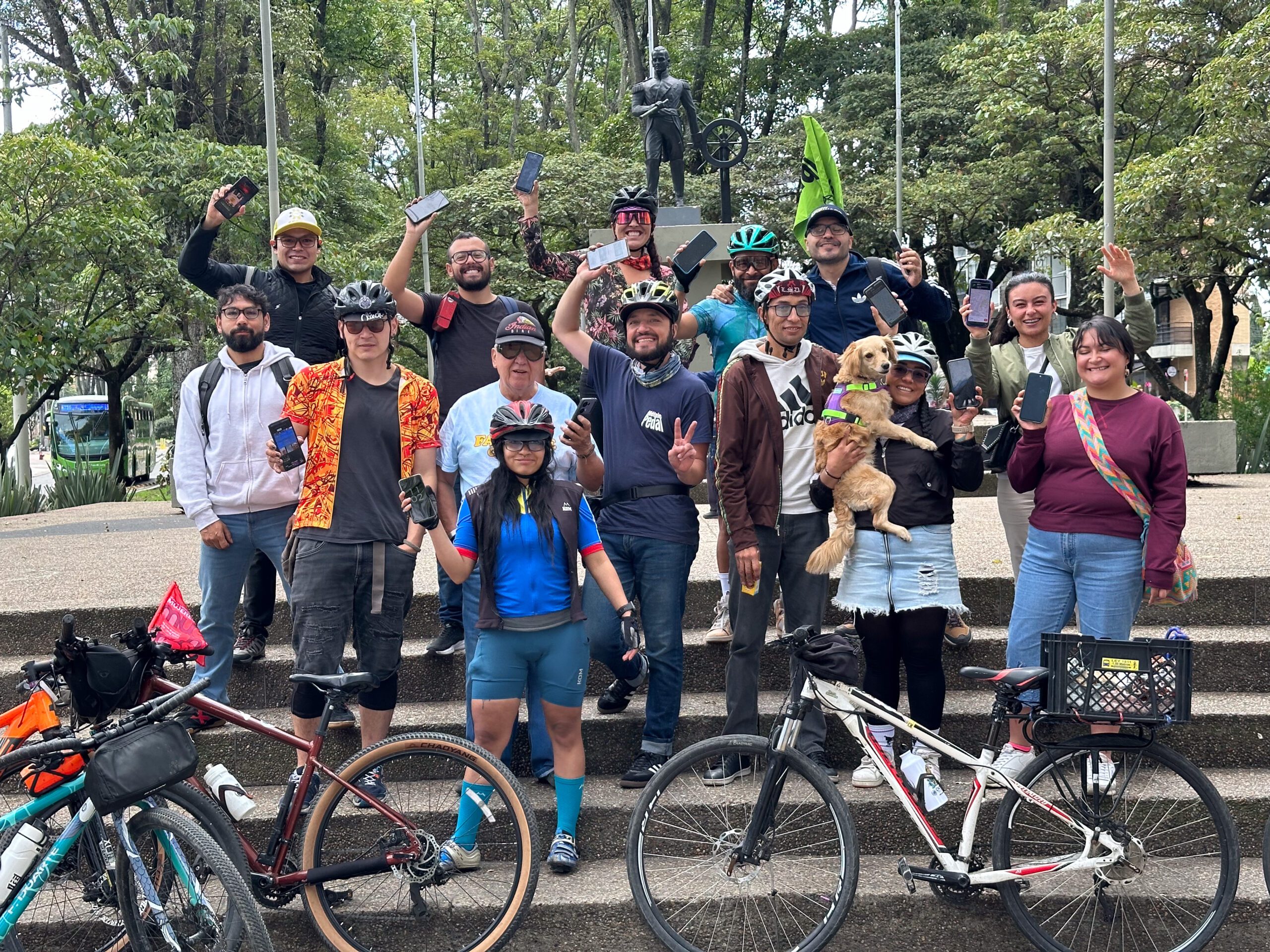
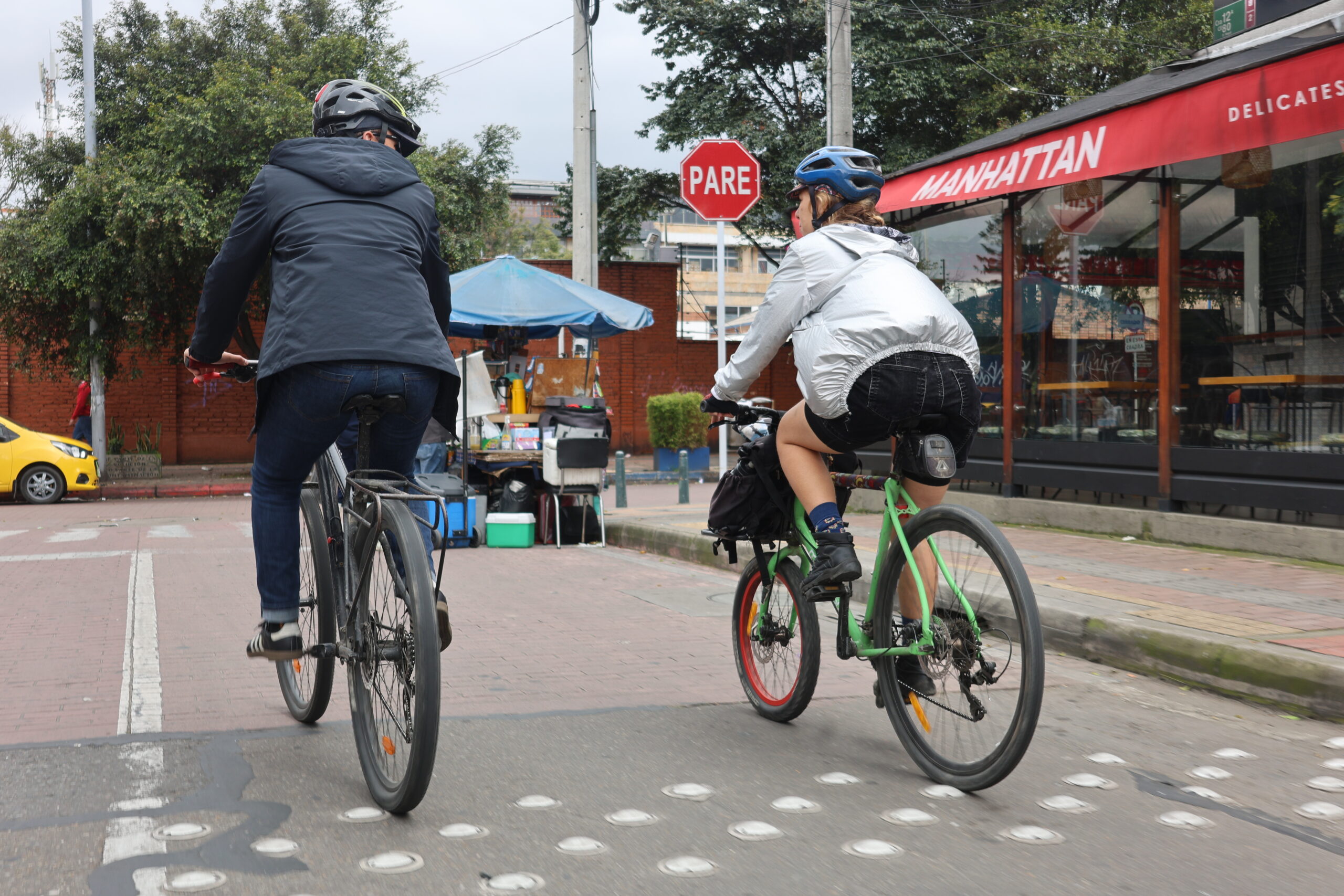
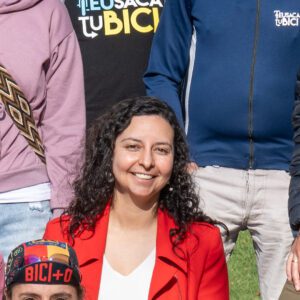
Daniela is a bicycle activist with a passion for active mobility, sustainable transport and the green energy transition. Having used her bicycle to commute to university and work, Daniela discovered many cycling collectives and the impact that this form of transport has not just on air quality but also connecting people to social and environmental justice issues. As part of Movilizatorio, she is now a UMI Fund regular, having worked across 6 different projects funded by UMI in Cali and Bogota, from cycling groups making artistic movable installations to communications campaigns around air quality and active mobility.
Garima Pant
Women Welfare Foundation - Nepal
Read more
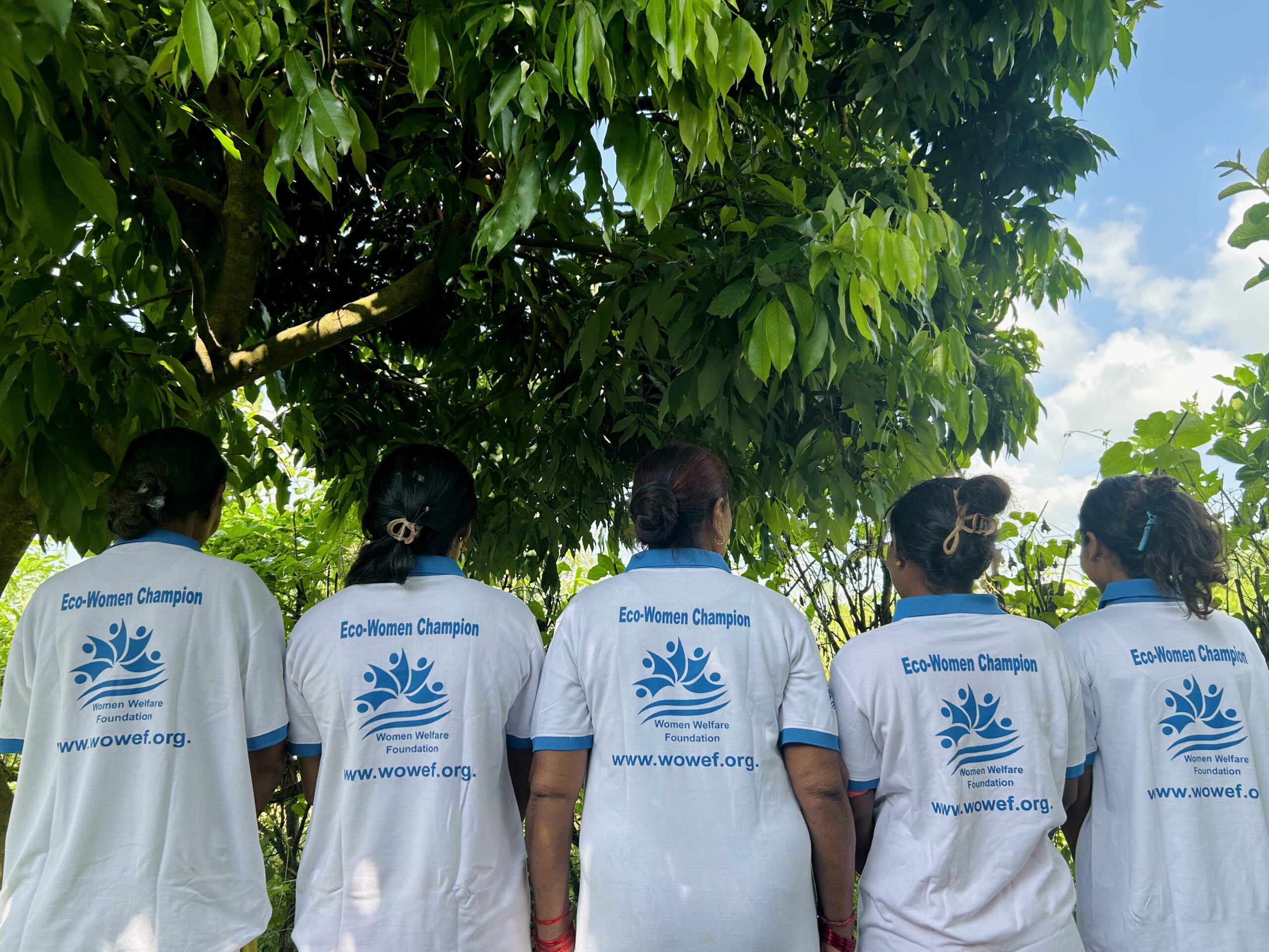
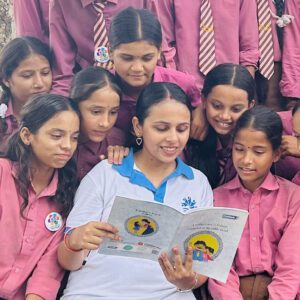
Garima grew up in Nepal and witnessed a lot of people suffering from gender inequality and climate change, which has a disproportionate impact on women and girls. She founded the Women Welfare Foundation to empower women in Nepal through climate literacy and sustainable practices, and with a grant from the UMI fund, successfully ran the programme in a rural community. The project was featured in local news, and the local government would now like to see the programme brought into schools and other women’s groups in the future.

Luisa Santi & Abdul Wahab Watan Dost
Climate Activist Defenders - Brazil/ Afghanistan
Read more
As an Afghan youth activist in exile, Abdul Wahab turned trauma into collective healing with the support of Climate Activist Defenders and other displaced environmental campaigners. The UMI-funded project we discuss in this blog supported Afghan climate justice activists like Abdul by addressing their mental health needs and empowering them to lead local climate justice actions. Through targeted mental health support, skills development and financial scholarship, the project enabled activists to engage with their communities and drive impactful initiatives.
Luisa Santi works for Climate Activist Defenders, who aim to protect the lives and well-being of frontline climate justice activists working under oppressive and dangerous conditions.
Yasmina Benslimane
Climate Sirens - Morocco/ Puerto Rico
Read more
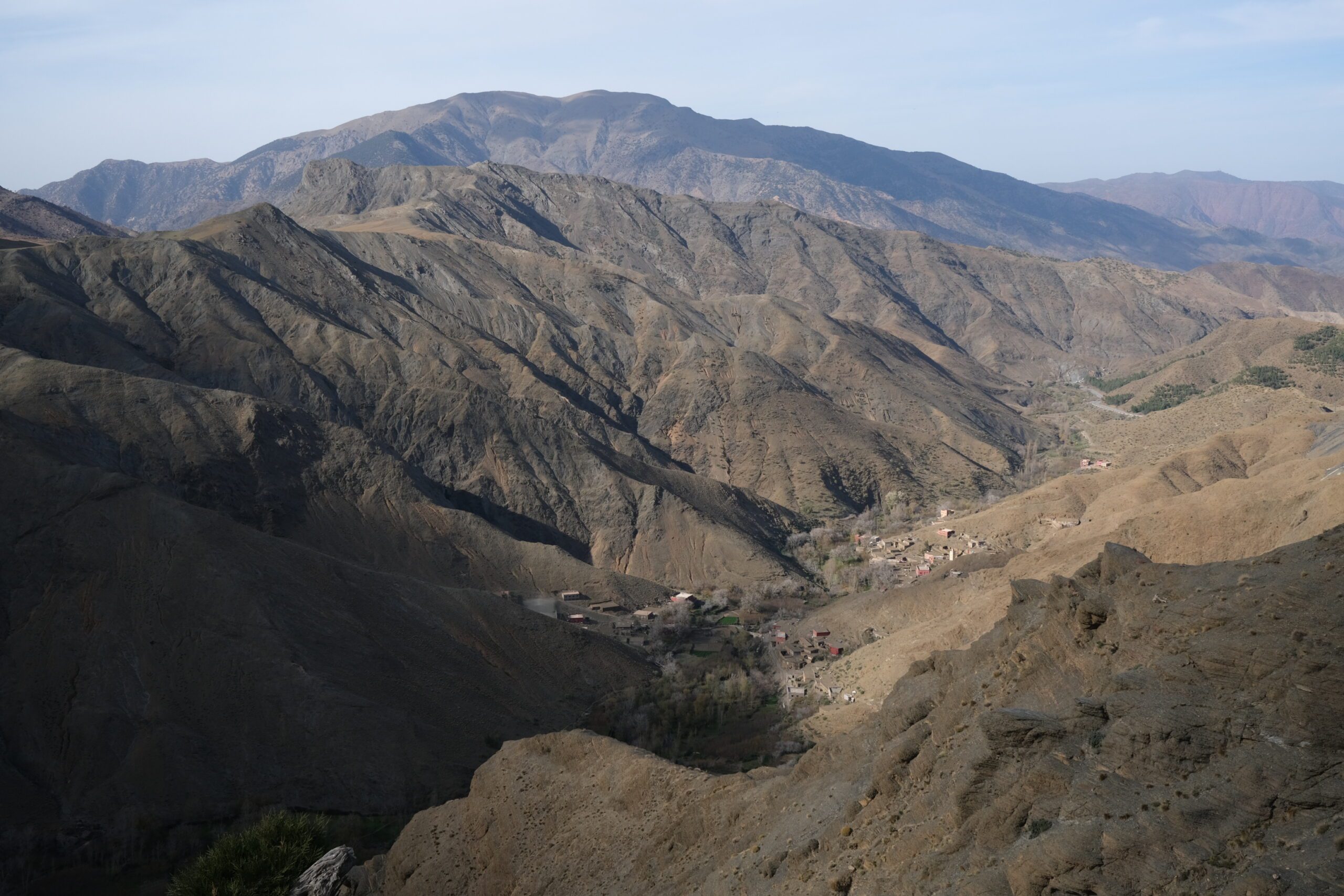
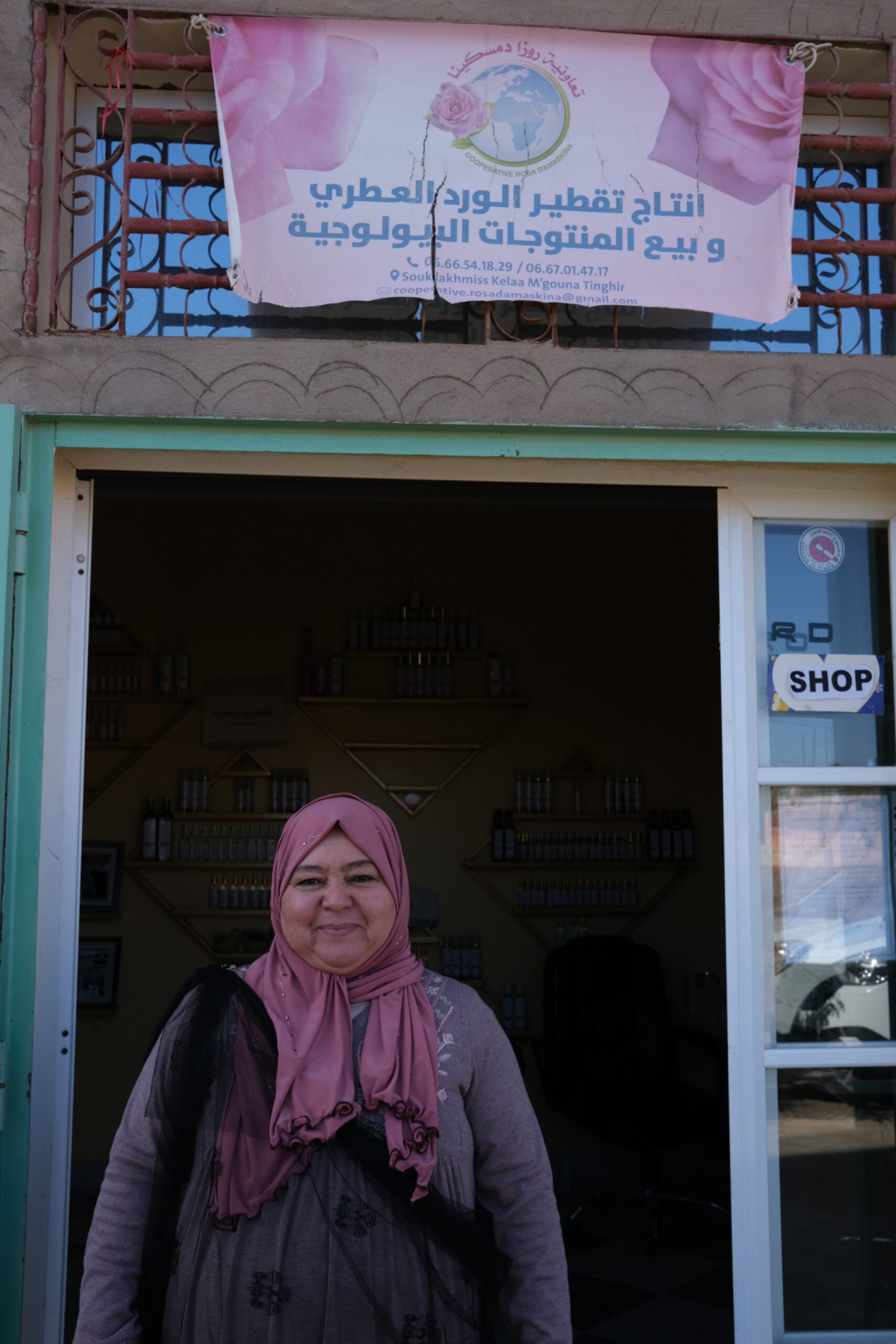
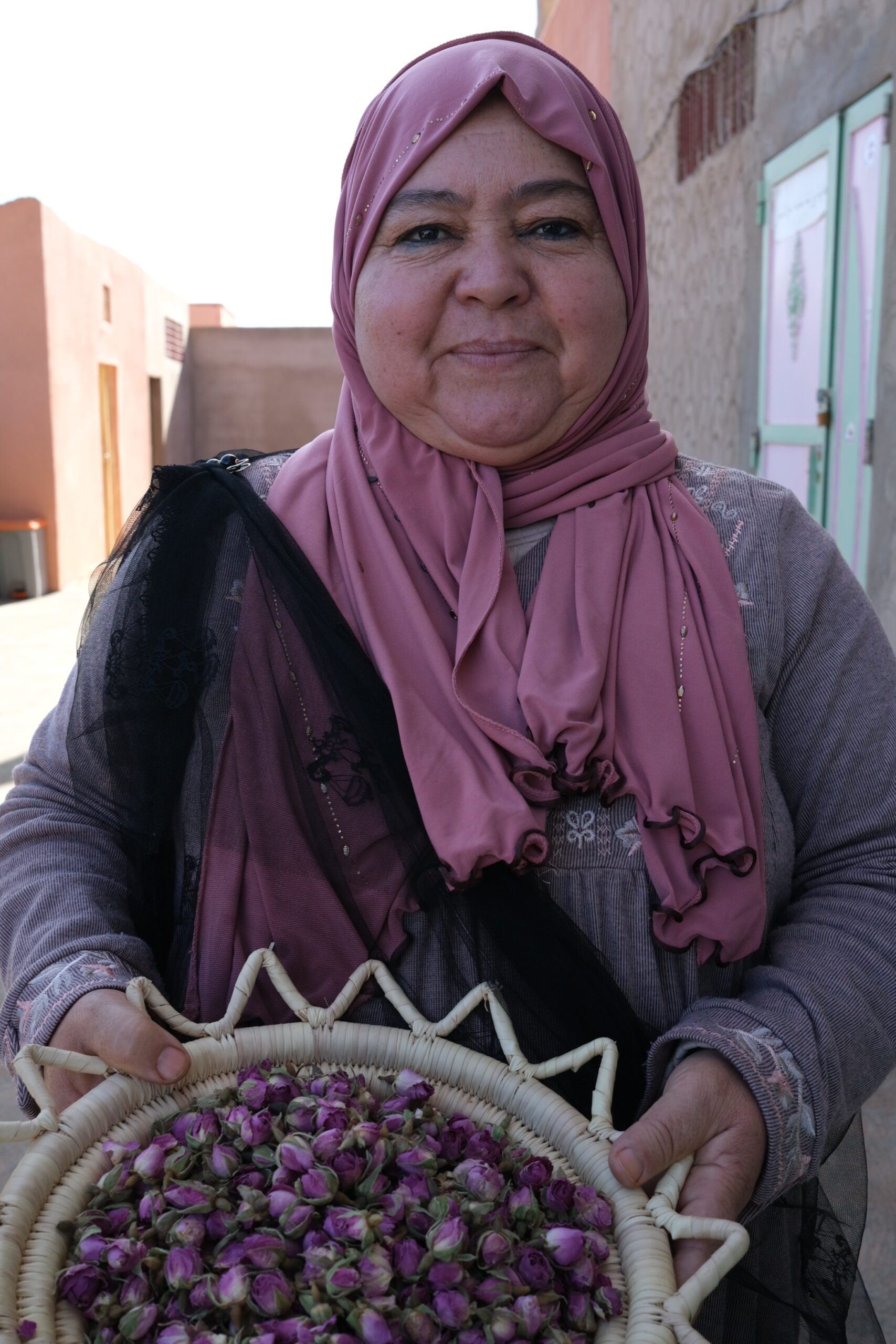
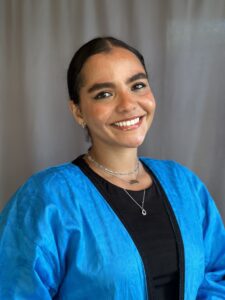
Yasmina is a feminist activist, consultant, and coach, whose advocacy is shaped by her identity as a diasporic feminist and her mother’s connection to land stewardship in Morocco. Since starting the organisation Climate Sirens, Yasmina has been able to support decolonial and Indigenous perspectives from the South West Asia and North Africa (SWANA) region. The project that received a grant from the UMI Fund primarily worked with women’s cooperatives in the Atlas Mountains in Morocco through consultations and workshops to identify their community needs. It led to a partnership with the Rosa Damaskina Cooperative, promoting environmental responsibility through the cultivation of organic roses while supporting local women on their path to financial independence.
External Impact, Internal Joy
‘I think it was definitely an affirmation.’ – Amara Nwuneli
Influencing local decision-makers and contributing to policy was not a rare experience among the grantees.
For Amara, the learning she gained from contributing to local policy was not something that she would take for granted. She spoke enthusiastically about helping her grandfather draft a policy on how to handle future climate disasters after her family village flooded. “I’ve been able to develop a new voice with resilience, tenacity and maturity, as well as understanding that things don’t come easy. It was my first experience really handling policy and I got really into it after that.” She credits this experience, along many others with her family, for inspiring her to make a change.
Since then, Preserve Our Roots G.R.E.E.N park has sparked conversations with the Lagos State Government, opening the door to policy discussions on scaling the model into more high-risk urban areas. This microgrant validated their proof of concept—one that is now gaining momentum toward wider impact.
In Nepal, Garima’s project for the Women Welfare Foundation reached local politicians and decision makers. Her expertise and practical knowledge enabled her to have an equal standing and a platform where she could share her views.
“We had a meeting in a hall and there were 19-20 leaders and policy makers sitting in a room. We had a presentation and we showed them how climate change is affecting youth and women in this specific region and we tried to concentrate on the problems.”
She remarked how “these things get ignored most of the time. So we talked with the mayor and told them ‘while building new policies you have to integrate gender friendly policies and youth-friendly policies for the climate and the environment.’”
Perhaps the best moment for Garima was being featured in local news media. By being interviewed in her local language, she felt that the information she shared was valued by the community. This was another affirmation that the work Garima and Women Welfare Foundation conducted was effective. “So overall the project was a huge success and it was really impactful.”
Lastly, Daniela remarked about how her projects enabled her to achieve credibility. “So decision makers know us, the media know us, and it’s like we’re experts in this matter.”
Her work gave her the opportunity to “go to the streets and map unsafe cycling spots for women riding bicycles before delivering this information to the security secretariat, the female secretariat and the mobility secretariat, and they use it to do interventions and to fight these issues and make safer infrastructure for women.”
Starting from a microgrant, the grantees have created impact in areas where many others would struggle. And for these youth activists, the achievements that they have gained through this work asserts that their actions and efforts are significant.
For the UMI Fund team, it is also inspiring to see what their funding can help achieve. Anna Jones said, “I speak to somebody in Mexico, somebody in Nigeria, somebody in the Philippines all in one day and really feeling the power of this incredibly beautiful interconnected web of people who are all doing things in very different ways and coming from very different places and different national dynamics and cultural dynamics, but everybody’s united in wanting to make a better world and coming to that with real love and humility.”
Impactful Work In The Face Of Adversity
‘Why should I not do my activism? Why should I try not to help people?’ – Abdul Wahab Watan Dost
The impact of the grantees’ work may be huge and inspiring, but the challenges are also profound. As the climate emergency worsens, efforts to fight against it and make living tolerable are heightened. It is a large undertaking, but none of the grantees shied away from the difficulties they encountered.
In Nepal, Garima shared how she has faced both legal and environmental challenges. Swamped by “bureaucratic hassles”, she shared: “while initiating any project we have to take permission from the local bodies or authorities and sometimes that is very lengthy and you have to wait months, and there is so much communication. Also, Nepal’s communication has not been digitised… people depend on paperwork”, all of which provided delays to her work. When work was finally due to begin on the UMI Fund funded project, “there was a great rainfall for three or four days”, forcing them to postpone.
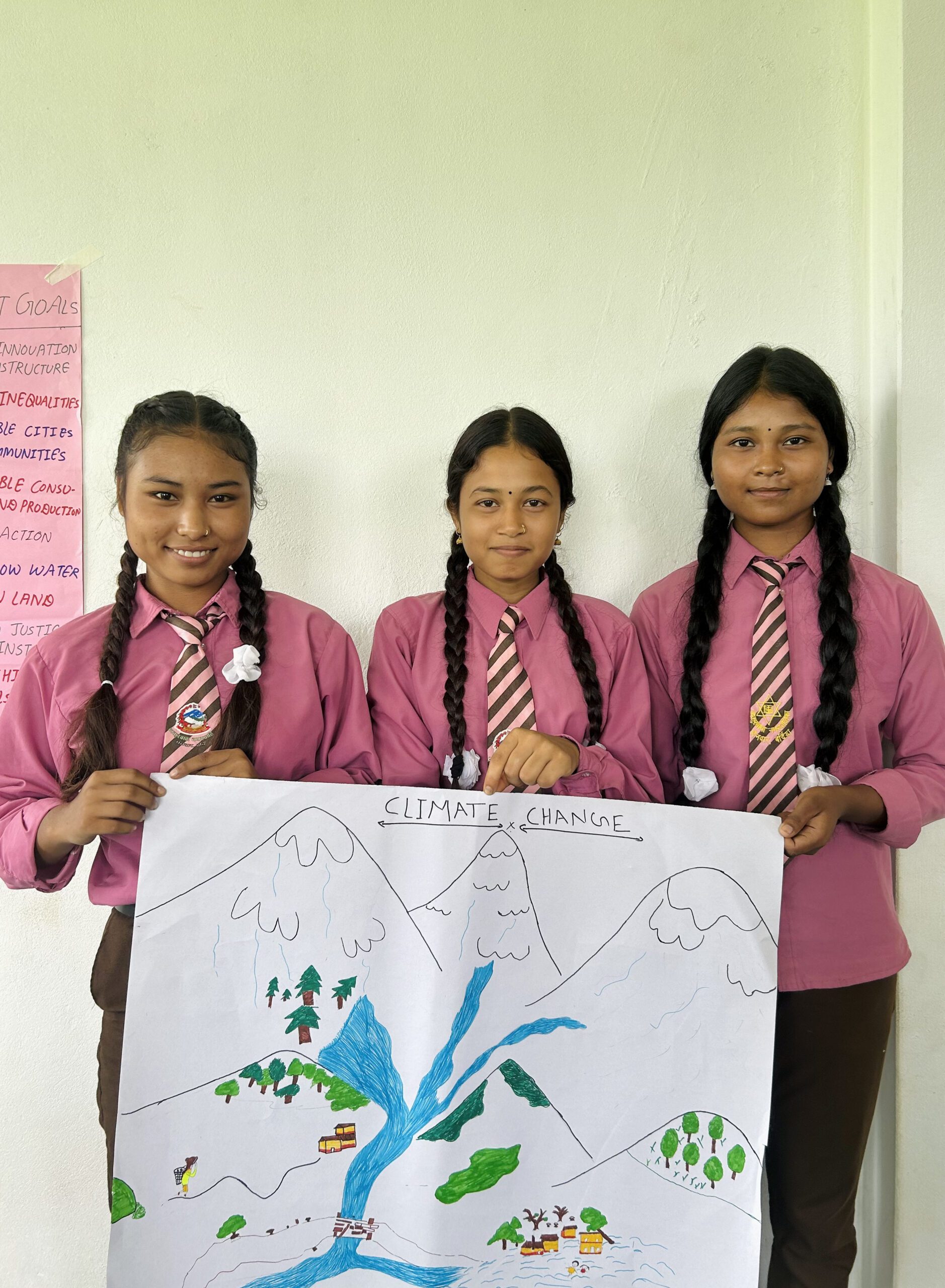
For Chido, challenges arose because of the community she chose to support. Being a young woman in a patriarchal society, she shared how going into some schools raised eyebrows. “The male teachers were a bit concerned that the project was just focusing on girls”, despite their protest that they “don’t see an issue of creating spaces for girls”. Rather than diminishing her enthusiasm and courage, this motivated her further – “it’s about spurring or, as we say, igniting the flame that is within the young women and the girls to encourage them to take this up now, but as they grow up as well, to make the decisions so that they can be the leaders that might not be there right now.”
Finally, having worked in this space for nearly a decade, for Yasmina it was about looking after her team while making change in a space that was constantly being funded less. Despite supporting the historically and societally marginalised, she shared how women and youth led organisations (like Politics4Her and Climate Sirens) face a lot of authoritarianism and banking restrictions.
“It’s no secret that youth-led organisations are underfunded. Women’s rights organisations are also underfunded. So when you combine both of these aspects, it gives you a very scarce funding landscape to sustain your work and sustain your team. So it can also lead to burnout and mental health issues.”
Combatting constant burn out and mental issues was a priority for Yasmina. She saw the value of community care work and healing circles in which her team could ‘ground themselves and each other’ and enjoy rest as a form of resistance.
Navigating A Changing Funding Landscape: A Case Study
“We don’t need anyone to speak for ourselves. We can do it on our own. We know what the issues are that we’re facing as much as we know what solutions we can offer our communities.” Yasmina Benslimane
“We don’t need anyone to speak for ourselves. We can do it on our own. We know what the issues are that we’re facing as much as we know what solutions we can offer our communities.” Yasmina Benslimane
Having worked in the grantmaking and social impact funding sector for over five years, we’ve seen how the landscape has changed. Some of these changes have been for the better, with funders becoming more open to support unincorporated groups and incredible projects like those featured in this blog series, but also for worse, with drastic cuts, foundations closing, bureaucracy and other practical challenges.
None of this is a surprise for Yasmina, who has experienced this many times over the years that she has been an activist.
“So I would say that it’s so amazing to work with young people but we don’t receive enough support and international organisations are very often prioritised and often work with young people in a tokenistic way.”
She also expressed her frustrations for the many times she had encountered funding cuts this year. At the time of interview, Yasmina had very recently received an award letter for a grant which had been cut down from $20,000 to $5,000, creating a cavernous hole in the proposed budget.
“It was very, very frustrating… So now we have to see how we’re going to be able, with so little resources, to bring it to the commerce platform. We were supposed to create our own platform, but now it’s challenging considering $5,000 is not enough.”
Unfortunately, Yasmina also experienced funding cuts with the UMI Fund. Having originally applied for a $10,000 grant, they were awarded half of that amount. “I understand that there’s sometimes a need to evaluate and that’s fine, but that was the first frustration that we faced. We’re already all volunteers and we had envisioned something bigger and we had to adapt.”
Thankfully, the project did go well despite a few adjustments, but Yasmina’s case is just one of many which illustrate the changing landscape of funding.
As climate change worsens with more and more greenhouse gases being released into the atmosphere, temperatures increasing and water levels rising it is imperative that grassroots groups such as Climate Sirens have access to the funding and the resources that they need.
Speaking about the challenges UMI Fund faces, Anna Jones explained that “the biggest challenge is not having enough money for everyone who wants to do stuff. So, we’re now getting way more applications than we can honour, which is hard… We are unfortunately having to say no to a lot of projects which would have been really impactful and that’s the worst bit of the job, having to say no to great projects because we just don’t have the budget.”
“I hope that we can bring in more funding and get it out to the grassroots. I really hope that we can do that and that we can do even more of this work and support even more projects and people doing great stuff. And I hope that we can hopefully try and turn the ship around, or at least, mean that we live in a world that is less extreme over the next few years and that we’re not going to reach some of the kind of apocalyptic predictions that we know that scientists are telling us about.”
Hopes and Dreams for the Future
‘The day that the world is fair, Movilizatorio would not exist.’ Daniela Castilla Orduz
Despite the challenges and struggles, the grantees showed their strength, drive and persistence to finish the work that they started. Community support was also a commonality, showing them that what they did mattered and encouraging them to continue.
For Yasmina, Climate Sirens’s next step was to undertake a creative storytelling project. They will be working on a “book of stories about the resilience of young women from Lebanon, from Palestine and from Syria, highlighting their stories on forced displacement, of belonging and hope in the midst of chaos”.
Garima and Chido’s next steps were informed by feedback that they had received from the community and policymakers during the first phase of their projects. For Garima, it was about implementing her work within other rural areas.
“Everyone felt that this type of programme should be brought into rural regions of Nepal and should not be centralised in the capital city and in other big cities, because we are studying in the rural region of Nepal and we barely get these types of opportunities”.
For Chido, her next steps involve inviting other groups within her community for future sessions. Partnering up with organisations that work on ideas of positive masculinity so that there can be a safe and positive conversation about issues related to gender.
“I think now in the next iteration of the initiative we will have some boys who will participate, especially when we go to schools, because we’ve noticed that these individuals might actually take action for their own sisters or mothers when they go back to their own communities.”
The success of her work also provided an exciting ripple effect:
“I think the positives that happened with the high school group, they were really keen to start their own Flames and Lilies Club at their school. And that wasn’t actually something we thought would happen, but when they said they have this interest, we were really keen. So, right now, we’re trying to source some resources to help them in terms of setting up their club. They want to do tree planting. They want to do some other practical activities in addition to climate education. So, that’s what we’re working on.”
And would they apply again?
‘I think that the most important thing is just taking the first step.’ – Chido Nyaruwata
All the grantees were happy with their experience and as a result, would apply for a grant from the UMI fund again. They also shared some advice for future grantees:
- Enjoy the process. It can be overwhelming at first so keep records of everything. Even the small things that you don’t think are important, keep a record of them. Whether it’s a picture, capturing a moment, or keeping receipts, just make sure that you have everything that you need. – Chido
- Start practicing writing a strategy and have someone look over the concept note that you are creating. Always think about the impact, because sometimes we only think about the activities or the results. – Daniela
- Don’t underestimate your potential. You can fulfil your dream project from the UMI Fund. So just believe in your potential and apply for it. Keep trying and be truthful towards yourself – Garima
As Luisa from Climate Activist Defenders said, “the grant was quite innovative, and the use of photo-based reporting is especially effective in conflict-affected zones, as it provides a more accessible and practical method for documenting progress.” The flexible funding, especially for unregistered grassroots groups, represents a rare and invaluable opportunity to amplify local initiatives and create tangible change on the ground.
When considering all of the applications for grants, Anna told us that UMI Fund consider many factors, such as:
The impact
The impact that we have had in partnership with the UMI Fund over the last 5 years has been monumental. We don’t just redistribute resources, but power – that is power for young activists to make change, stand for their communities and work passionately on the issues that matter to them.
Speaking about what our shared partnership has helped achieve, Anna stated “I just feel so honored and privileged to be able to meet with amazing people all over the world. And just realise the resilience and the energy and the ambition and the creativity and ingenuity of people in the face of really difficult times and challenging conditions.”
Through collaboration we’ve built a system rooted in community and enabled youth activists to turn their ideas for a better world into reality.
The Social Change Nest handles the complexity of international finance, compliance, and due diligence, so funders can focus on values and relationships.
Want help distributing grants?
If you’re a funder and you want to get your money to grassroots organisations, please reach out to kristen@thesocialchangenest.org or