WHAT DO ArT GROUPS TEACH US ABOUT FUNDING FOR IMPACT?
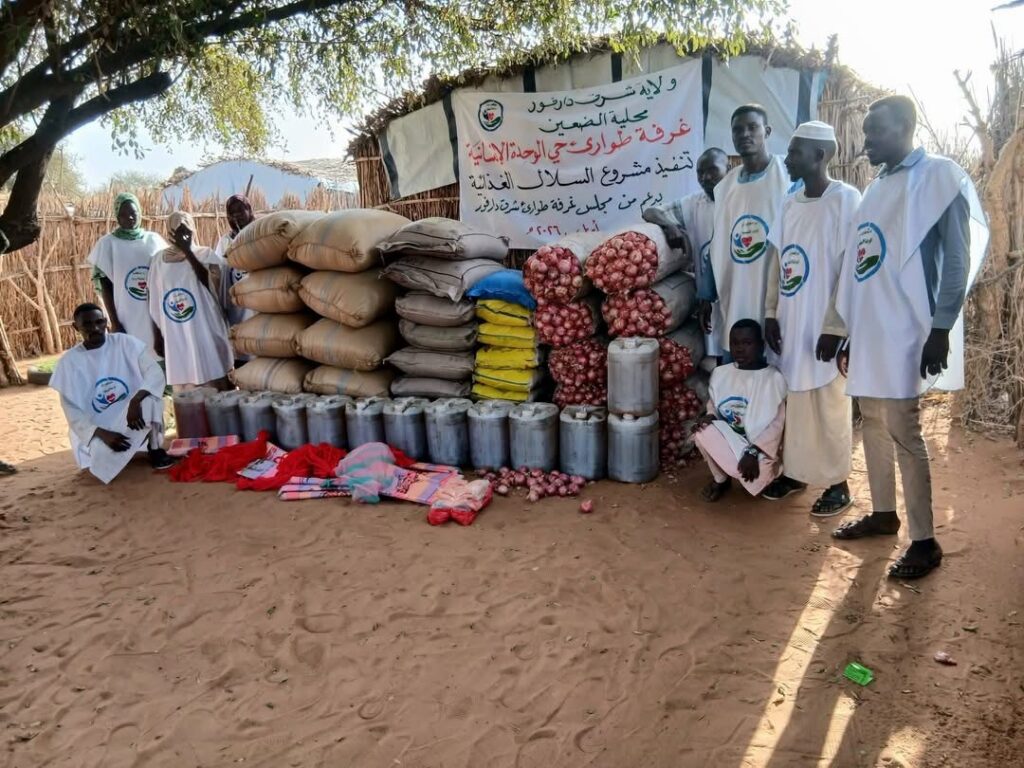
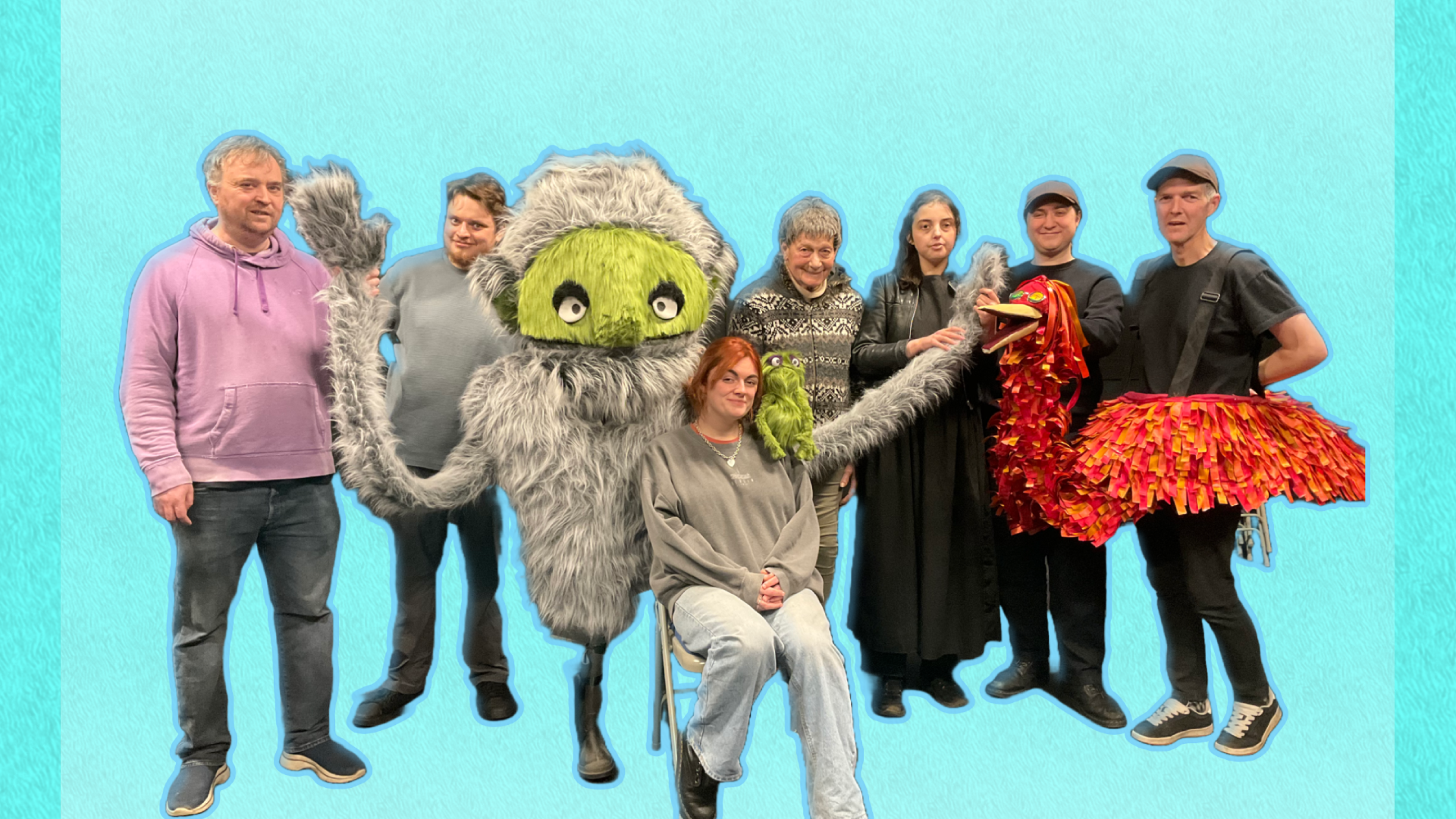
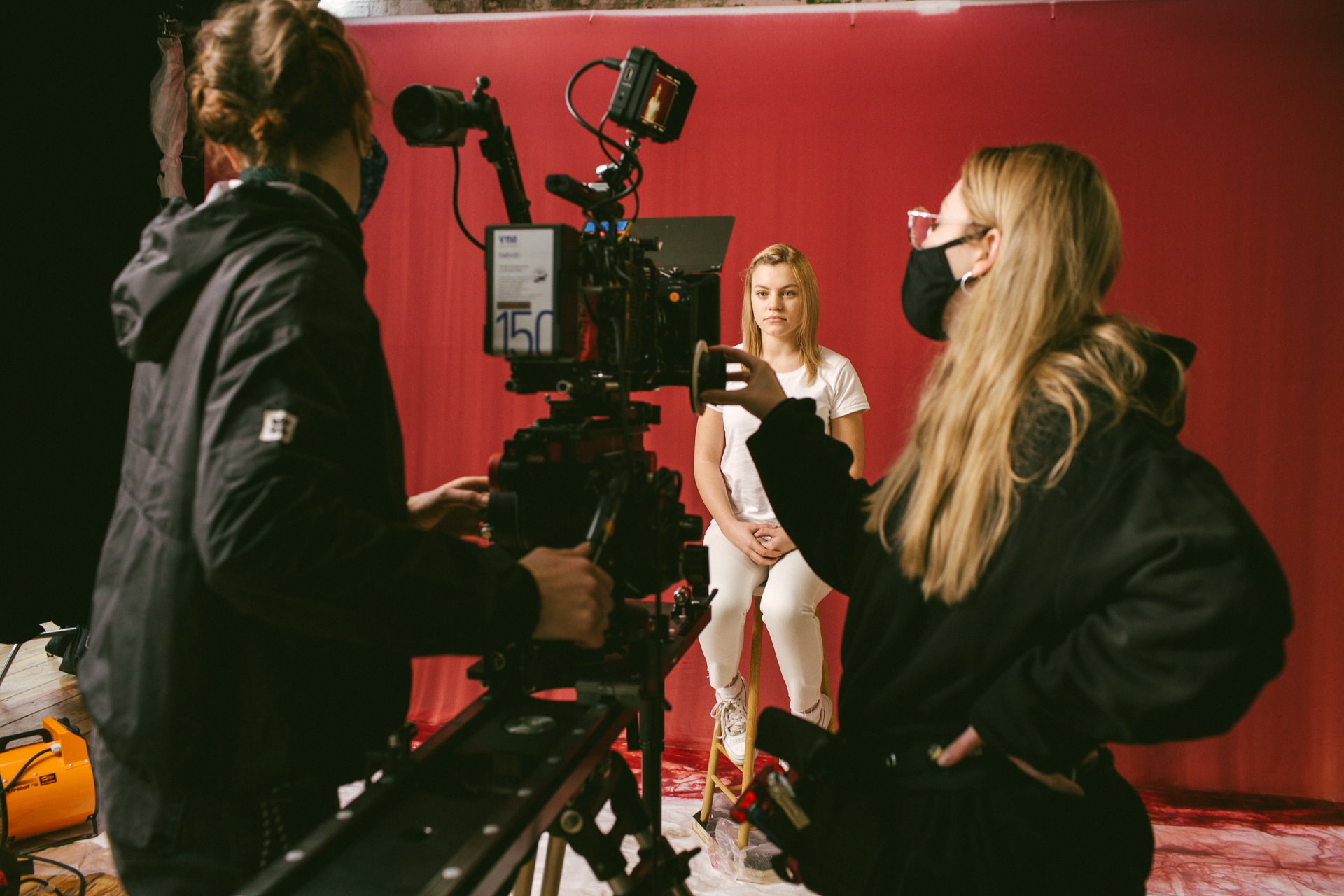
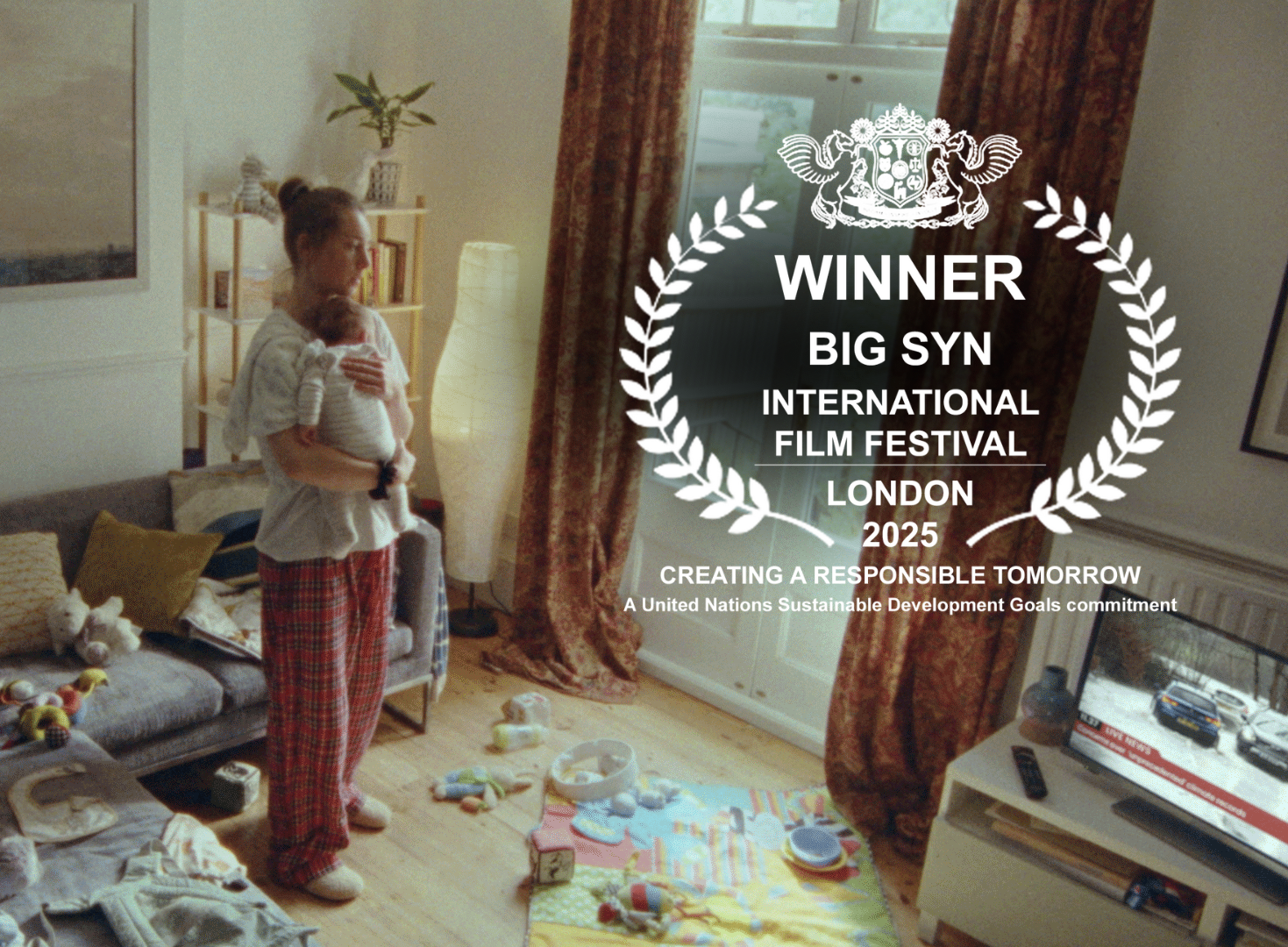
The images used throughout this blog showcase work from different art groups we support.
With World Art Day coming up, we’ve been reflecting on the different ways impact can show up, especially in work that isn’t always easy to put into words.
At The Social Change Nest, we support many creative groups and projects of different sizes, from community theatre and participatory workshops to visual campaigns and storytelling, all striving to make a positive impact in their communities. It often feels like funding isn’t designed to support these projects, not only because of lengthy and detailed applications, but also in how impact is expected to be measured and reported throughout.
Projects that are structured around clear activities like training, service delivery, or large-scale events and campaigns often translate neatly into metrics: how many workshop sessions have been delivered, how many trees have been planted, or how many clicks, shares, and sign-ups a campaign has had.
But art doesn’t always work that way. For an art project, you might be able to predict or count the number of attendees, but how does one quantitatively measure the impact on wellbeing and confidence in a rehearsal room, an audience’s emotional reflection on their own experience through a performance, or the joy and power that is created through an arts and crafts activity?
Of course, some of this impact can be captured through surveys or feedback forms after an event, but these don’t always fully reflect personal, emotional changes that show up gradually over time. This raises a question we keep coming back to: Are we measuring impact to understand genuine change, or to make it easier to report?

what does impact really look like?
When we talk about ‘real social change’, we’re talking about the longer-term shifts that show up in how people think, feel, and interact, or that can, over time, positively influence policies and systems.
To better understand this, we spoke to two of our groups taking creative approaches to social change: Tom and Jay from The Mixed Bag Players, and a volunteer community-based textile project Lead that chose to stay anonymous.
One thing they had in common was that neither of them focused on the quantitative results that are often believed to define success.
“I’d say success is if any one person manages to find a new way to feel joy. Our members who are in recovery from addiction mainly accessed joy through the use of substances, joy which became hollow and went on to damage their lives [….] I always feel that if you’ve made someone laugh, cry, and reflect on their own experience, then that’s a successful performance – and I’m proud to say we have done that.” – Jay, The Mixed Bag Players.
“When a participant is making progress with their recovery, and I see them quietly and slowly grow through being in the company. That is quite often a growth in confidence.” – Tom, The Mixed Bag Players.
Arts and culture are not normally the first things that come to mind when we talk about social change. This is also reflected in funding patterns, particularly the significant cuts made to arts funding in the last decade. Yet not many realise the psychological and emotional benefits of what the arts have the power to produce, and the communities they help to build.
why doesn't it always fit?
For many groups, the challenge isn’t just about measuring impact, but about fitting into the systems that need it to be presented in a certain way. Contracts may create reporting obligations to report against specific metrics, which, if not met, can impact a grantee’s future funding opportunities and may even damage the organisation’s reputation.
Arts Council England’s ‘Private Investment in Culture Survey 2025’ report highlights how arts organisations are increasingly expected to show clear, measurable outcomes when applying for funding. Organisations noted that how much funding you get is often linked to how many boxes you can tick, which can create hurdles for groups whose impact is often subjective and shows up differently on an individual level.
“The gradual beneficial effects performing has on confidence and wellbeing […] are not always immediately obvious as they take time to grow and build. So you can’t always measure these to show to funders” – Tom, The Mixed Bag Players.
Some groups also commented on the pressure to document their work, be it through photos, social media, or questionnaires, which tend to be valued or expected from funders, even if that means overlooking deeper impact happening in practice.
Sometimes, this may go against the whole purpose of the group or project, which often involves vulnerable people who may not wish to be photographed. This raises a wider question about how participant experiences are being used.
“I have wanted to create the kind of opportunities that people who can afford to pay get – of leaving the workshop with a sense of freedom, and I think that filling in a form at the end can dampen that feeling. Even if you don’t ask what might feel like intrusive questions, I think there is a risk it can negatively affect the overall experience of a participant, and leave them with a sense that they are being measured.” – Textile Project Lead.
Some of these applications or reporting requirements can also unintentionally become exclusionary in practice, preventing smaller and more marginalised grassroots organisations from accessing necessary funding. This is particularly relevant for art-based groups, where work often involves vulnerability, expression, and being present in the moment.
For example, groups made up of older people or working with people with disabilities may not always have the capacity or desire to use social media or digitally document their work. When these forms of evidence are expected, it can create barriers that go against the very work funders are trying to support. As a result, some groups prefer not to collect evidence at all, even if that means limiting their access to funding and funding projects out of their own pocket.
“I held off on getting a grant in part because of the constraints that I think grant funding can bring to any projects, but particularly arts-based ones – I think it brings a risk of restricting creative freedom, both of the practitioners and also the participants.” – Textile Project Lead.
At the same time, this isn’t simply a matter of ‘funders don’t understand how the arts work’. Funders are often managing multiple grants at once, while also needing to report on the impact of their funding to present to their board. This understandably requires a level of consistency in how impact is measured, but when quantitatively measured outcomes and yearly reporting take priority, creative and experimental social change work can start to focus more on what can be evidenced at a surface level, rather than the deeper, long-lasting change it originally aimed to create.
moving towards a trust-based approach
It’s important to say that this isn’t always the full picture, and while it’s true that current challenges point to the need for broader change, we also need to recognise the shifts that have already taken place in the funding landscape.
At The Social Change Nest, we’ve been seeing how funders are choosing to move on from traditional funding methods towards a more trust-based approach, removing the pressure groups often feel to please their funder and their fear of challenging requirements.
“I recently took the decision to apply for a small grant, which we used to fund more workshops, to pay facilitators facing barriers to accessing paid work in the arts, and also to pay for studio space necessary to deliver the project. The grantfunder gives grants to individuals as well as groups and organisations, and has more flexibility than most, with very low reporting requirements and, as part of that, no specific requirements on monitoring and evaluation. This was great and an important part of why I chose to finally apply.” – Textile Project Lead
Trust-based funding could look like:
- Having check-ins and open conversations over purely written reports
- Simpler applications
- Reducing pressure around documentation (do the quantity and quality of photos really matter?)
- Offering more flexible, unrestricted funding
- Valuing qualitative insight alongside numbers
- Having longer reporting timelines
- Being flexible when mistakes happen during reporting
- Making funding accessible to smaller or unincorporated organisations
“It might sound incongruous to do this when we’re talking about management of large sums of money, but maybe thinking about how we bring our hearts into the process of decision making might be a good place to start.” – Textile Project Lead.
how can we help?
Jay from The Mixed Bag Players noted that although funders seem to be quite supportive of their work, “the amount of pots that accept unincorporated community groups is getting lower”, and although incorporation may be an obvious decision for many, others may not be ready or may not yet have the capacity and resources to take that step.
As a fiscal host, we allow groups to use our registered CIC status to apply for funds and hold them on their behalf. We handle the financial administration and compliance, giving groups the possibility to accept donations and access funding opportunities that would otherwise be inaccessible to them, whilst giving them a simple, transparent way to manage their money.
While this doesn’t automatically remove all of the funding system challenges, it can help make grants more accessible, particularly for smaller or unincorporated organisations.
Do You Think We Can Support You?
If you’re a group who thinks we might be able to support you, please reach out to rufaro@thesocialchangenest.org. We’d be happy to chat!
If you’re a funder and this has got you thinking about how you could make your funding more inclusive and aligned with how impact shows up in practice, please reach out to aroa@thesocialchangenest.org