Power and Prosperity in Place
Guest blog by Natasha Adams
Social Movement Researcher & Strategist
Communities across the UK are struggling with the cost of living, to access decent housing and decent work, and a sense of powerlessness to change things, along with a deep distrust of the political establishment. These struggles are creating conditions in which polarisation, racial hatred and far right politics are gaining traction. But it doesn’t have to be this way, and it isn’t everywhere. Communities have deep knowledge and creativity. When they come together to control the money flowing in, something very different can start to happen.
Rooted economics to weather wild times
The Wild Times Gathering has a strong emphasis on place – with training sessionss, workshops, speakers and open space sessions dedicated to looking after our communities.
Participatory grant making, polarisation and power
I spoke with Catherine Dempsey who works for the Participatory Grantmaking Community, a global collective with over 2,000 members dedicated to sharing knowledge and best practice, fiscally hosted by The Social Change Nest. They are open to anyone interested in joining, from practitioners (like many UK place-based giving schemes including the thriving London network), to funders interested in moving towards greater participation and accountability.
Participatory grantmaking (PGM) means shifting power to (often place-based) communities served by funding to decide collectively where the money goes – shifting from consultation to real decision making power.
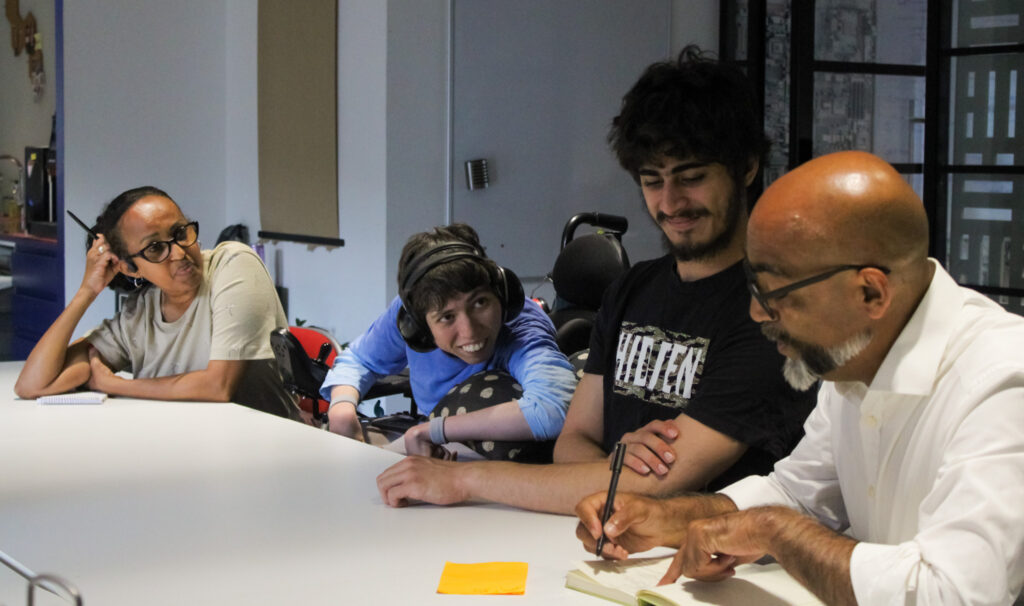
The approach recognises the value of knowledge held in community about what is happening locally and what they most need. PGM engages diverse community members in panels to decide together where funding attracted by place-based giving schemes should be spent. This gives people a direct experience of power through their agency in making decisions about where money will flow, and that in itself can start to address the lack of power people are feeling.
Although projects are still gathering evidence, Catherine told me about some of what she is hearing around the impacts of PGM on polarisation: “We hear from communities about the challenges of bringing people together to make decisions, with polarisation and division. PGM gives people the opportunity to connect and gather in a supported, facilitated context, to make decisions about money together. They won’t necessarily all be agreeing easily, but it offers a place where communities can come together to disagree. It’s so rare at the moment that there’s real value in that. It allows people to work through things together.”
Natasha Friend from Camden Giving has written more about this, reflecting on participation in an age of populism. The process can be as important as the grants themselves. Exercising power can build confidence, relationships, knowledge and wider civic participation. Catherine told me that Camden Giving has found that community grantmakers report feeling more powerful through making funding decisions.
Economic systems are in communities, and can be changed there
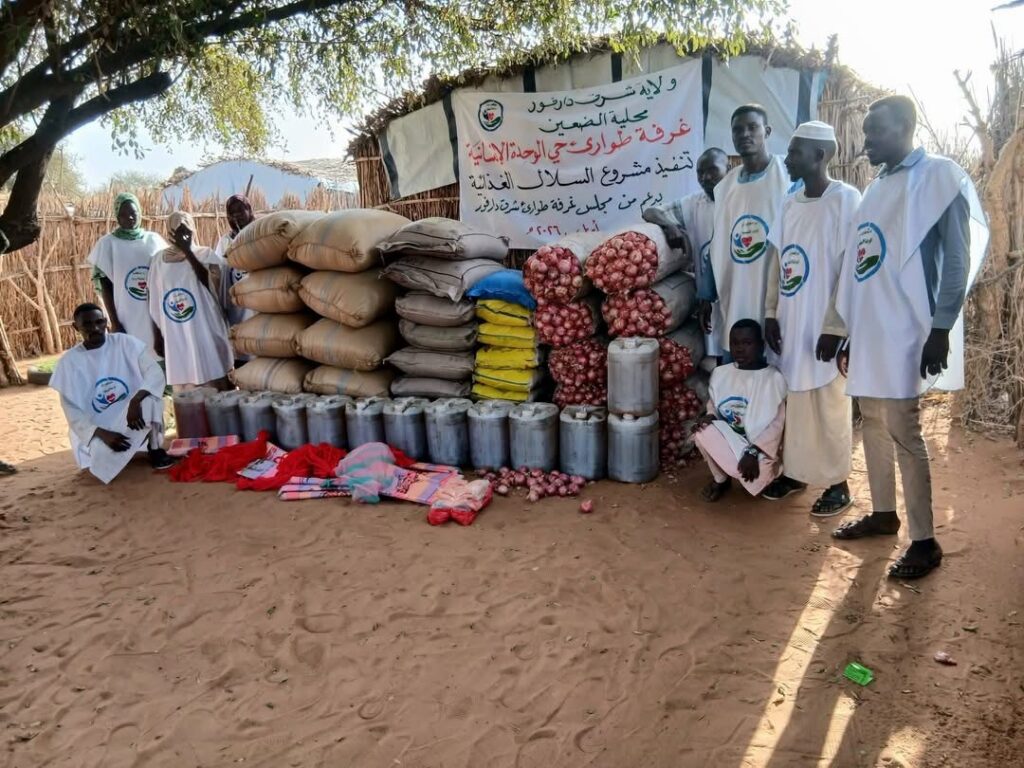
I also spoke to Jo Hiley, Head of Community at People’s Economy, an organisation working with UK communities facing economic injustice to reimagine, rebalance, and transform the economy. The organisation began as a sister organisation of the successful student led Rethinking Economics movement formed in the long wake of, but years after, the 2008 financial crisis.
People’s Economy deepened their focus on supporting grassroots change work in 2023, and now concentrates much of its effort in supporting small, grassroots and local groups, running projects led by local people, and connecting these efforts into the wider new economy movement. The economy isn’t an abstract economic idea for Jo: “The economy has levers in your daily lives – housing, jobs. If you want to grapple with it tangibly, local organising gets you close to the process, with wider ramifications for power.”
They run place based projects in Wales, Birmingham, Hartlepool, and London, as well migrant justice and youth organising focused work. Jo told me about how much of the work involves building place based economic power: “One thing we often start with, which is also the focus of my session at the Wild Times Gathering – is the question of what feels invisibilised about the economy but is present locally? In North Wales, we started with the community relationship with tourism, the idea that wealth generated doesn’t stay in the community… We took a community research approach, and the researchers eventually decided to focus on a slate trail, and strengthening community ownership of the infrastructure.”
People’s Economy is working to build on its existing community connections to take the work deeper. In places like Wales they started with tourism, and following what was live for the community, engagement moved to youth organising, imagining towns young people want to stay in, and then supporting local groups working to create them. More info on the Wales work can be found in this recent blog. At the same time, they’re starting to connect the different projects together to start to build grassroots power nationally.
Catherine will be running a workshop at Wild Times Gathering with Natasha Friend from Camden Giving and Anjelica Finnegan from York Together, offering space for conversations, questions, ideas and challenges about participatory grant making, open to anyone interested in moving money and power into communities. Jo will also be running a workshop for people interested in connecting their work to issues of wider economic justice.