Five Years Into Microgranting: The Importance of Funding Youth Climate Activism
In case you missed it, have a look at the previous blogs in this series: Inside Our International Grant Distribution Work: Supporting Activists Across Borders; How Microgrants are Powering Grassroots Climate Solutions and Fuelling Young Activists to Make Change; Overcoming Barriers, Sparking Change: What have Microgrants helped to achieve?
In this last blog, we look back on our story with UMI Fund, share some statistics about the work that we’ve achieved over the past five years and discuss our future plans, hopes and dreams.
We’ve been working with the Urban Movement Innovation Fund (UMI Fund) for nearly five years now. What started as a small collaboration in 2021 to support inspiring youth climate activists has since grown into a widespread effort to redistribute funds to grassroots worldwide.
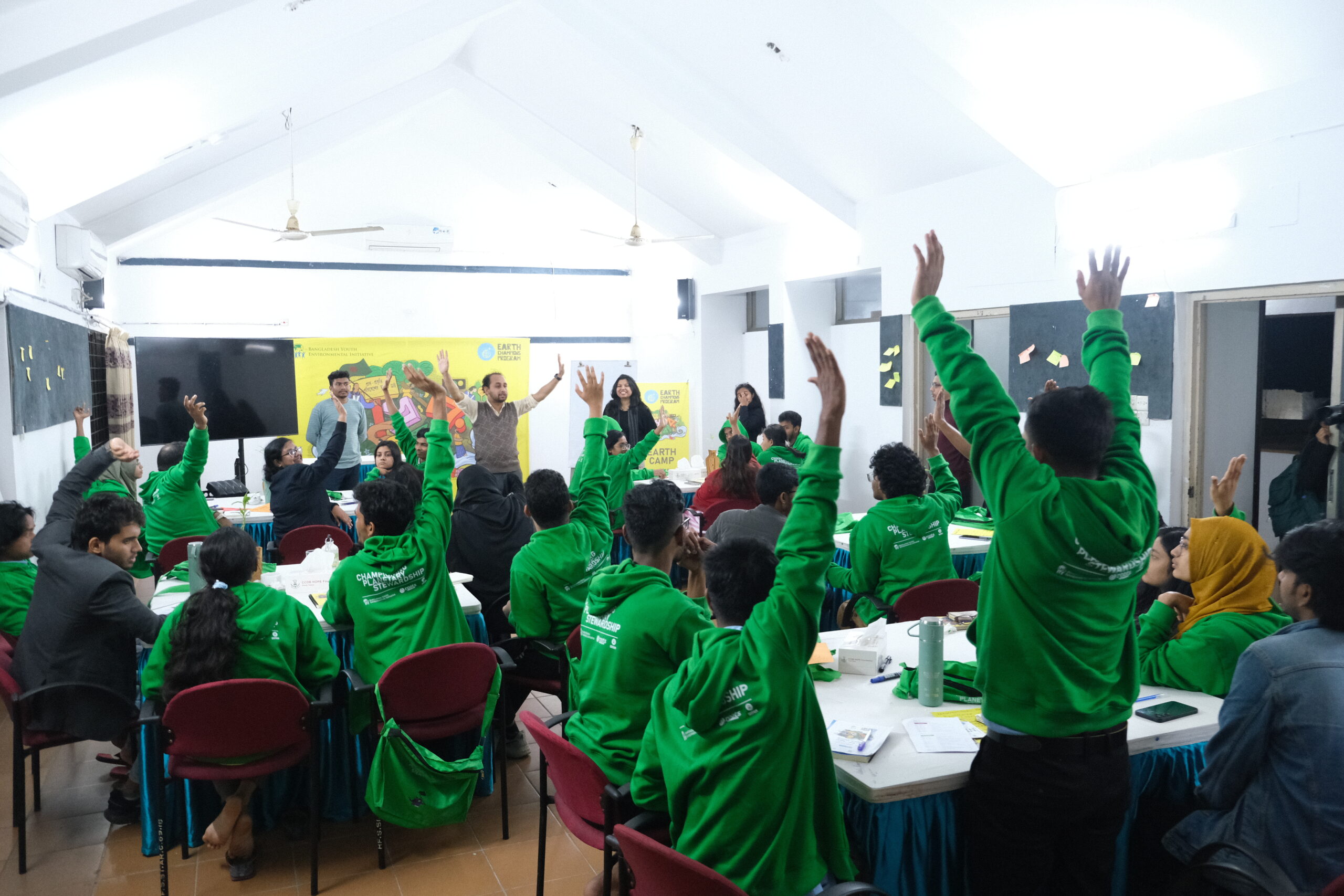
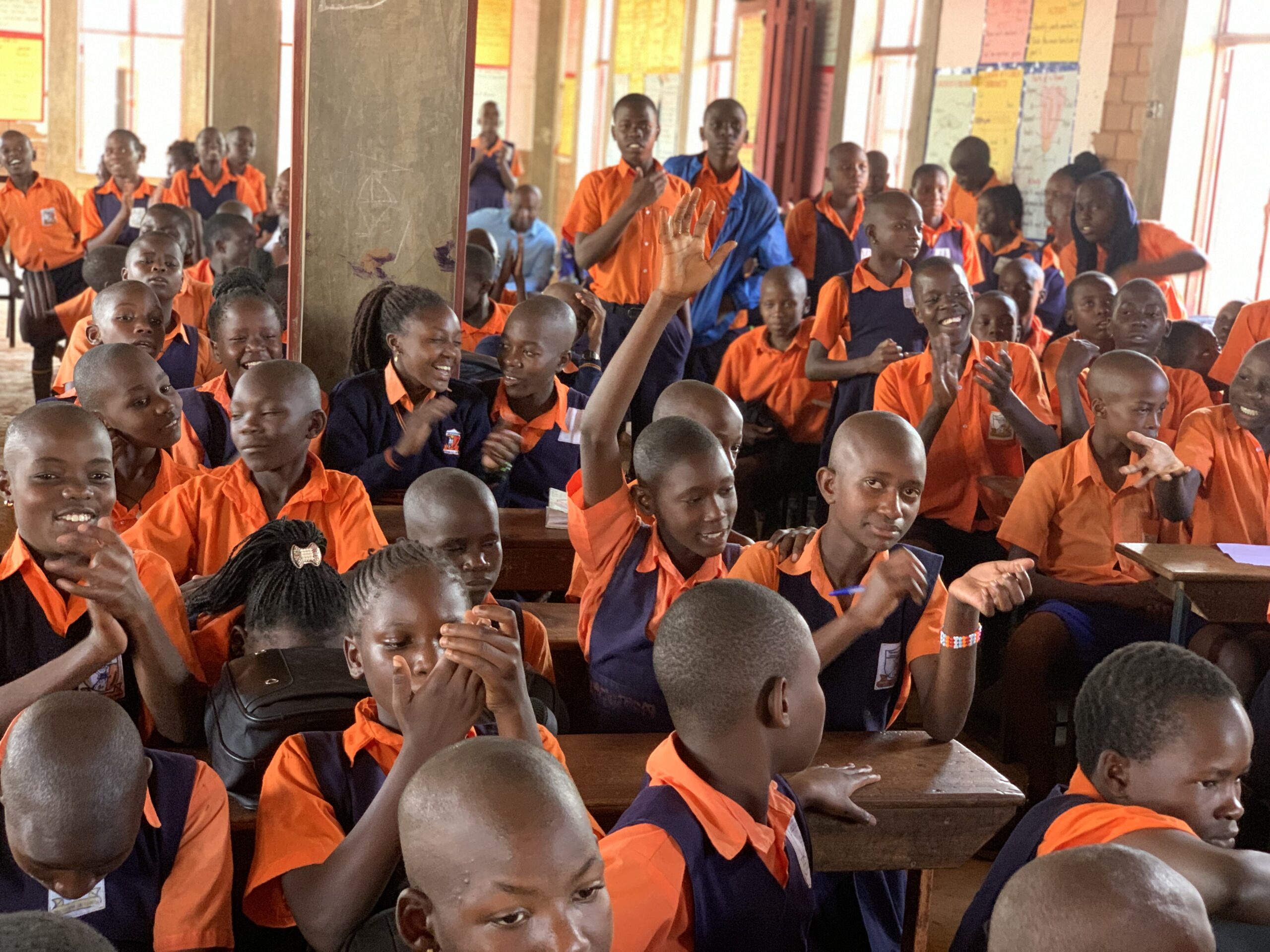
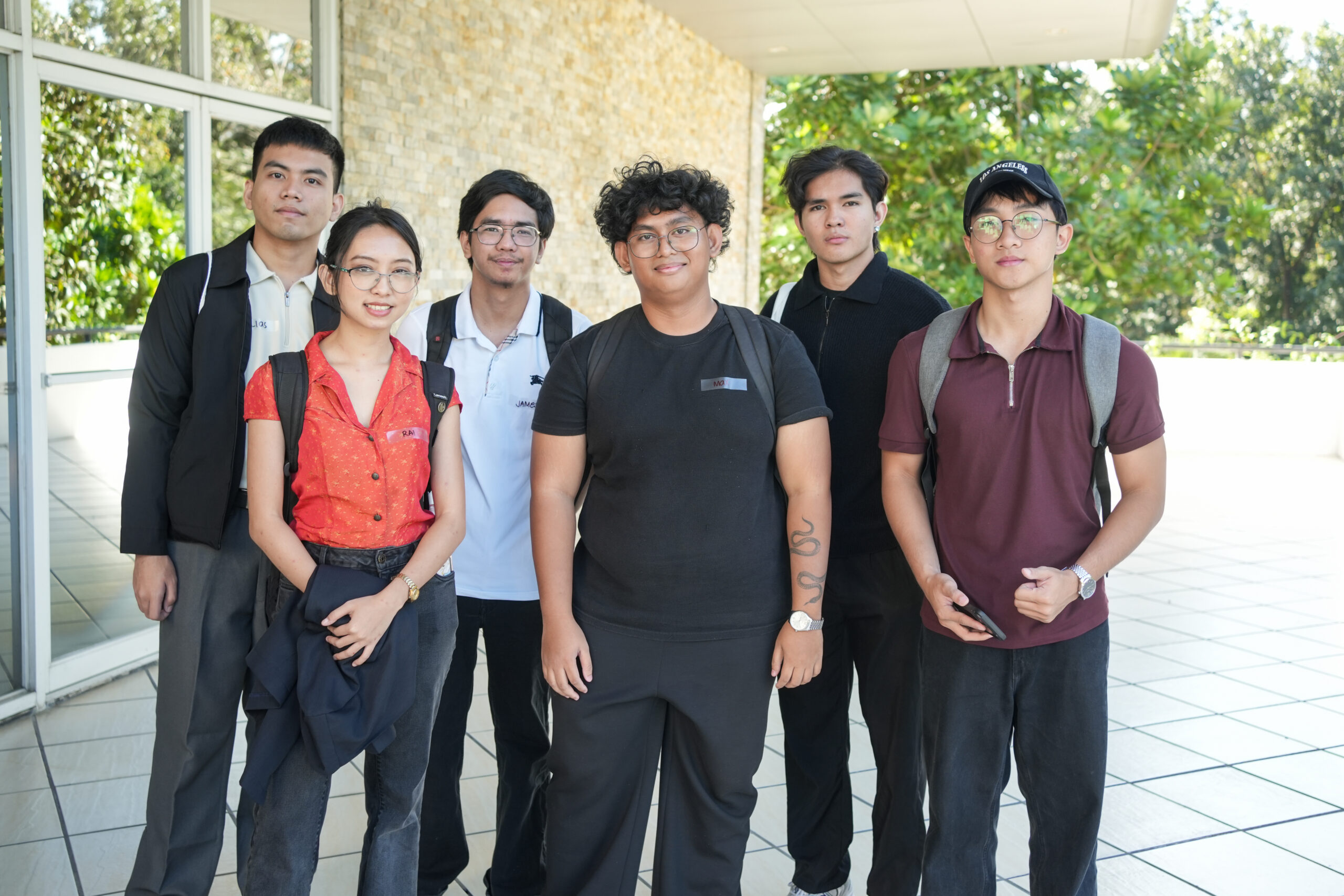
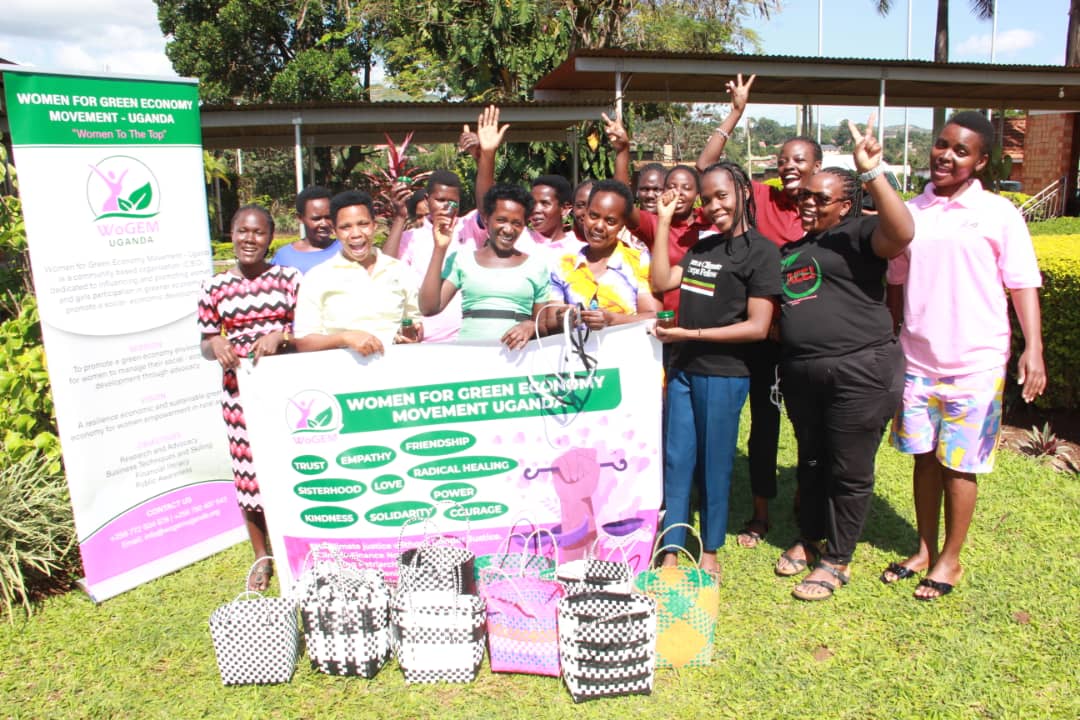
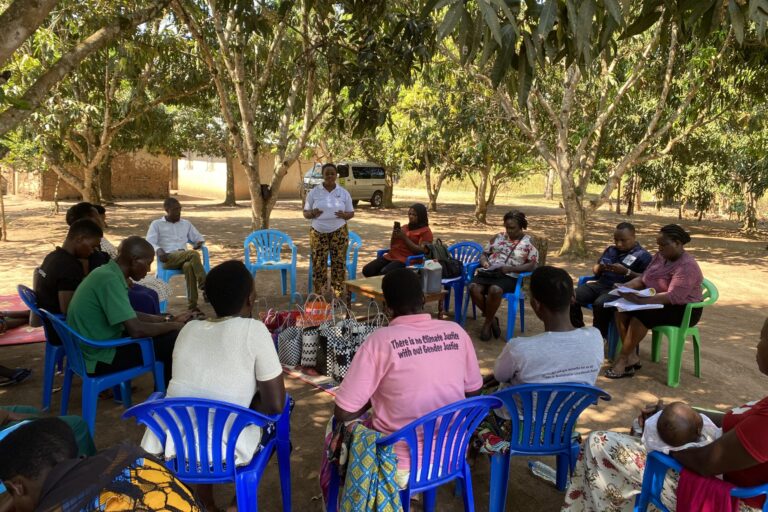
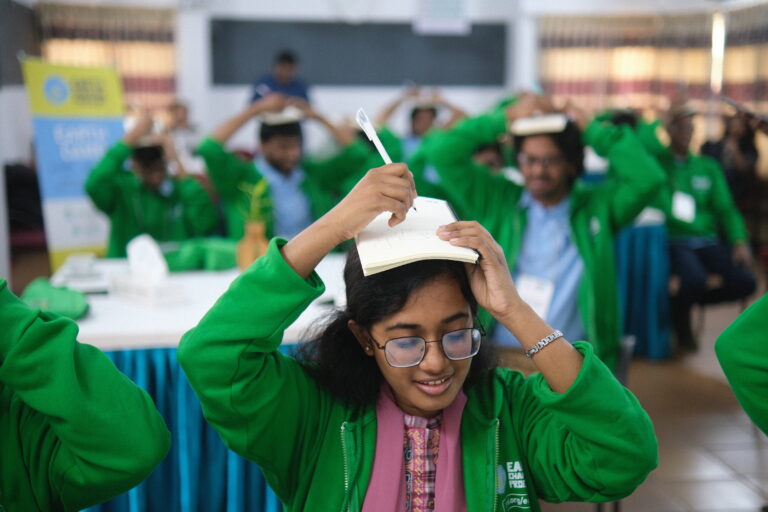
Through our partnership, we have distributed over $2 million and supported over 400 grantees from all corners of the world in their fight for climate justice. We’ve helped break down barriers to funding for these activists who are united by their need and passion to make the world a better place. Their work speaks for itself, and the impacts continue to ripple through their communities.
Anna Jones, from the UMI Fund team, supports this, stating, ‘youth activism has been really popping up all over the place. And I do think it’s a generational phenomenon, which is amazing.’
How it all started
In 2021, the UMI Fund approached us to support them with their Youth Climate Fund, a project that they wanted to pilot. Its objective was to identify and develop best practices, particularly within administration and governance, to optimise agility and effectiveness in grant distribution.
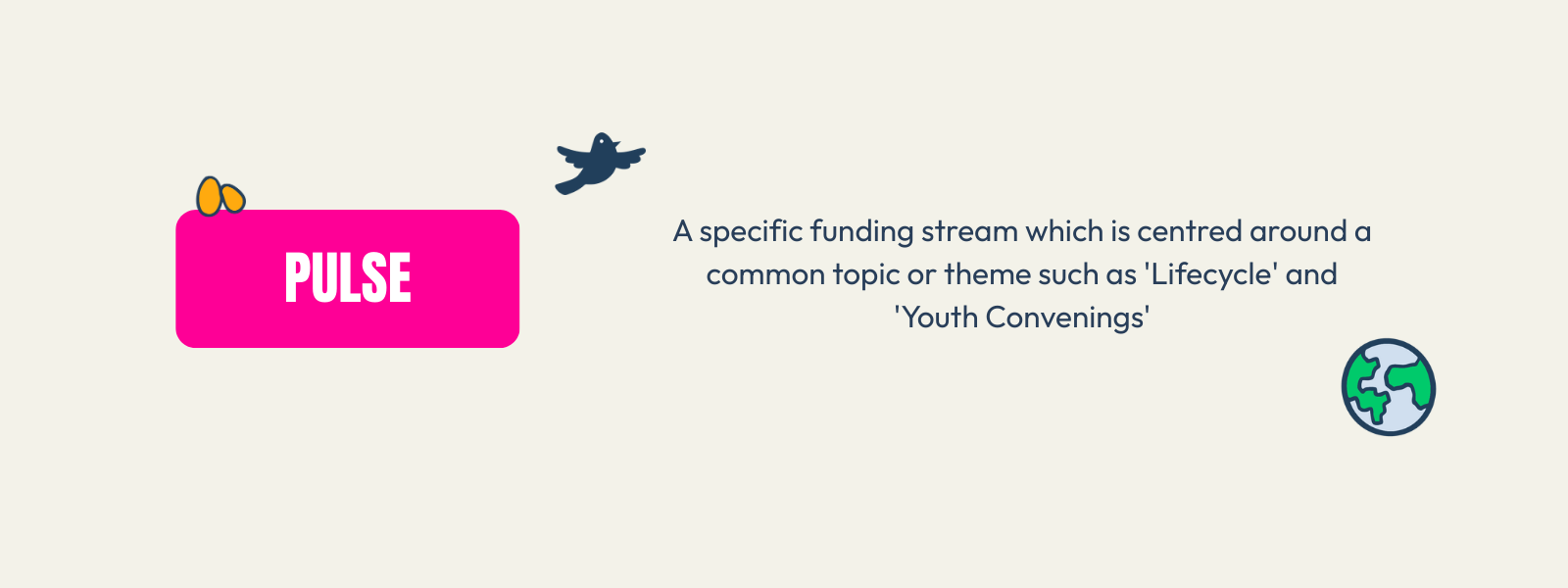
As a pilot ‘pulse’, we helped distribute $200,000 (£155,000) to youths aged between 15 and 28 over two rounds, from June to December 2021. Hailing from different parts of the globe, the focus of this project was to support youth climate activities with small grants to help foster impactful climate action with communities, specifically in the Global Majority.
- Out of 294 applicants, 69 individuals were selected from 27 countries across Latin America, Africa and Asia.
- The pilot consisted of 2 rounds (33 grantees in the first and 36 in the second), and each grantee could choose to receive the funds in several different ways.
- All grantees went through an onboarding process which consisted of:
- An onboarding call with us
- An ID check (to help us verify their identities and complete due diligence)
- Completing a risk register
- The majority chose to receive the full grant via bank transfer.
- The spending period for the grant was three months.
Reporting
Once the spending period for the grant had been completed, all grantees were asked to provide two reports: a ‘narrative’ and a ‘financial’ report.
- Narrative Report
- This report had a few questions to answer about grantee project experience: what their favourite part of the project was, and if there was anything that they would do differently.
- Grantees had the option to do this through a Word document, a video, a series of photos, or to join a call with a member of the SCN team and have their answers transcribed.
- Financial Report
- All grantees received a template to fill in their receipts, invoices and accounts for their spending.
- SCN predominantly oversaw these reports as part of our financial reconciliation process.
Taking a values-led approach, the reporting requirements were aimed to be flexible and as burdenless as possible for the grantees. Although efficient reporting is important in international grant distribution, ensuring that it is also trauma-informed, creative and collaborative is our priority so that the grantees and their work are on the frontline.
The pilot was a success, and this trial ‘pulse’ or funding stream eventually expanded into a year-long project that focused on four key areas: youth, intergenerational, transport and mobility, and communications and storytelling. In the same year, we distributed an additional $670,000 (£512,000) worldwide, continuously supporting those in the Global Majority.
Five Years to Date: Our Microgranting Programme
Supporting the youth climate movement is at the heart of the work that the UMI Fund does, and is therefore also at the centre of our collaboration. Our work in 2021 has since formed the basis of our current microgranting process, where we help to distribute a small amount of money, usually between a few hundred and a few thousand, to an individual or organisation to carry out local or early-stage projects within their communities.
For this blog series, we interviewed six amazing grantees from different parts of the world, with the aim of sharing a snapshot of some of the work the funding has helped achieve.
Whether it was designing and constructing a park using recycled materials like Amara from Nigeria, creating safe spaces for girls and young women to learn about climate change like Chido from Zimbabwe or working with women’s cooperatives to support local women on their path to financial independence in the Atlas Mountains like Yasmina from Morocco, all our grantees were driven by their climate activism. Their work speaks for itself, driven by community values, purpose, and the yearning to make a difference as the climate emergency becomes more and more urgent.
Anna says, ‘It just makes me feel really emotional that we get to interact with those folks. And one of the lovely things about the UMI Fund is that we really see ourselves as a connector as well. There is a really strong community of people internationally who are doing that work.’
Here are some statistics we compiled to give you a broader perspective on the work that we have helped to achieve:
Place
Here are some statistics we compiled to give you a broader perspective on the work that we have helped to achieve:
- 319 grantees in Global Majority countries and 64 in Global Minority countries have been granted.
- Of those that have been awarded grants, Africa leads the portfolio, with 43.9% of all UMI Fund grants.
- This is followed by South America (21.3%), Asia (17.14%), Europe (9.87%), North America (5.19%), and finally, Oceania (2.09)
- The top three countries that we received applications were Nigeria, the Philippines and Brazil.
- This was followed by Uganda, Colombia, Kenya, South Africa, Bangladesh and Mexico.
- The United States was the only country in the Global Minority to make the list.
- The countries that we received the least amount of applications from are:
- Argentina, Benin, Burundi, Costa Rica, Ecuador, Ethiopia, France, Guatemala and Haiti.
Pulses
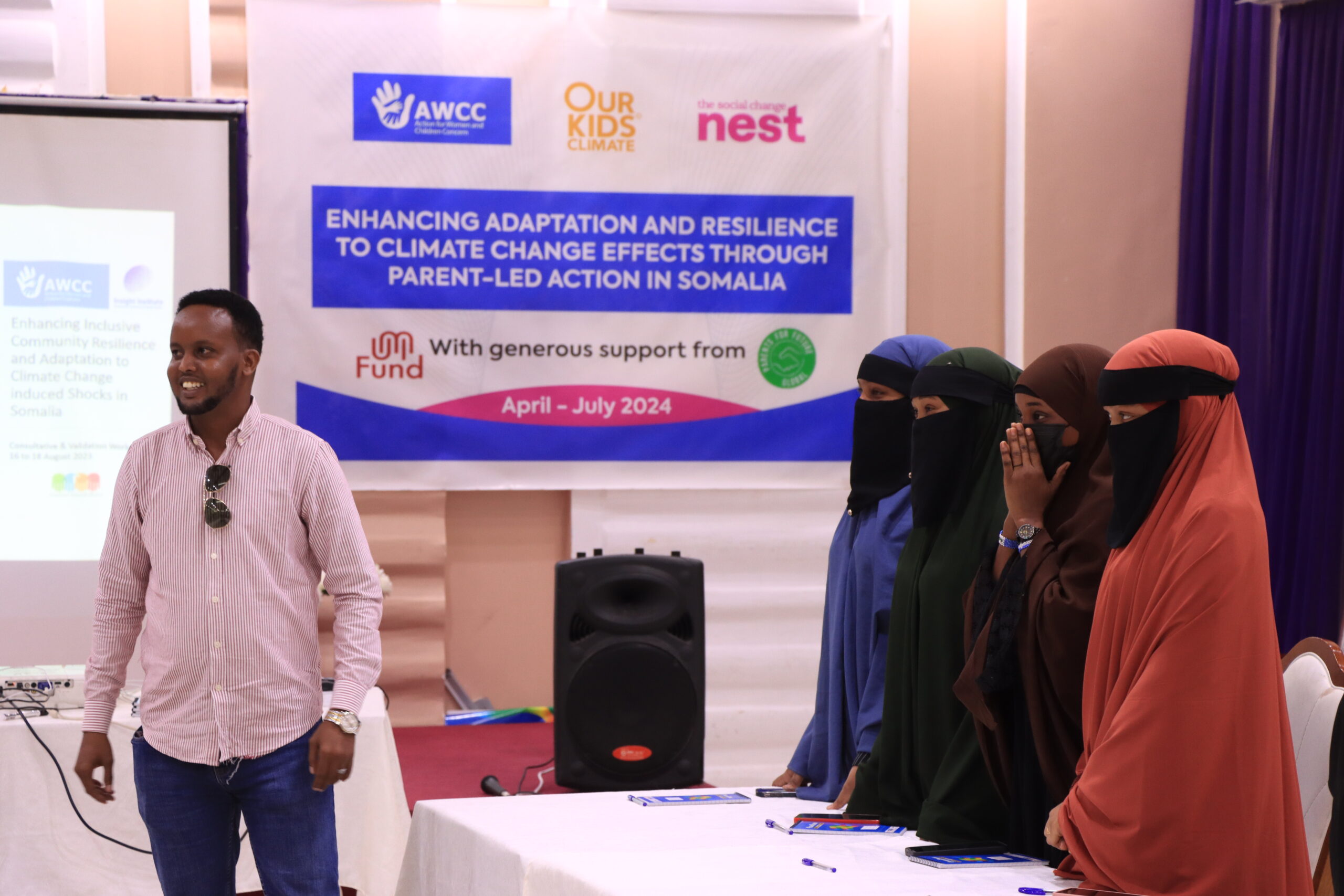
- Throughout the years, the Intergenerational pulse accounted for 29% of funding, followed by Youth Convenings (10.65%) and Youth Mobility and Transport (10.91%).
- Intergenerational: Supporting parents’ movement groups to encourage collaborative action or organising with youth movements.
- Youth Convenings: Funding individuals and organisations within grassroots communities.
- Youth Mobility and Transport: Funding projects which are working on clean and waste-free mobility internationally.
- Other pulses included:
- Iconics: This pulse was the first of its kind, done in collaboration with the Global Clean Energy Network (GCEN). It looked to fund activists in five ‘iconic zones’ around the world (Colombia, the Philippines, Pakistan, the Amazon and Africa). We helped distribute $255,001.37 to innovative climate work across these regions, making it the biggest pulse this year. This pulse focused on granting to specific regions/ countries, which may explain why they appear more frequently in our statistics.
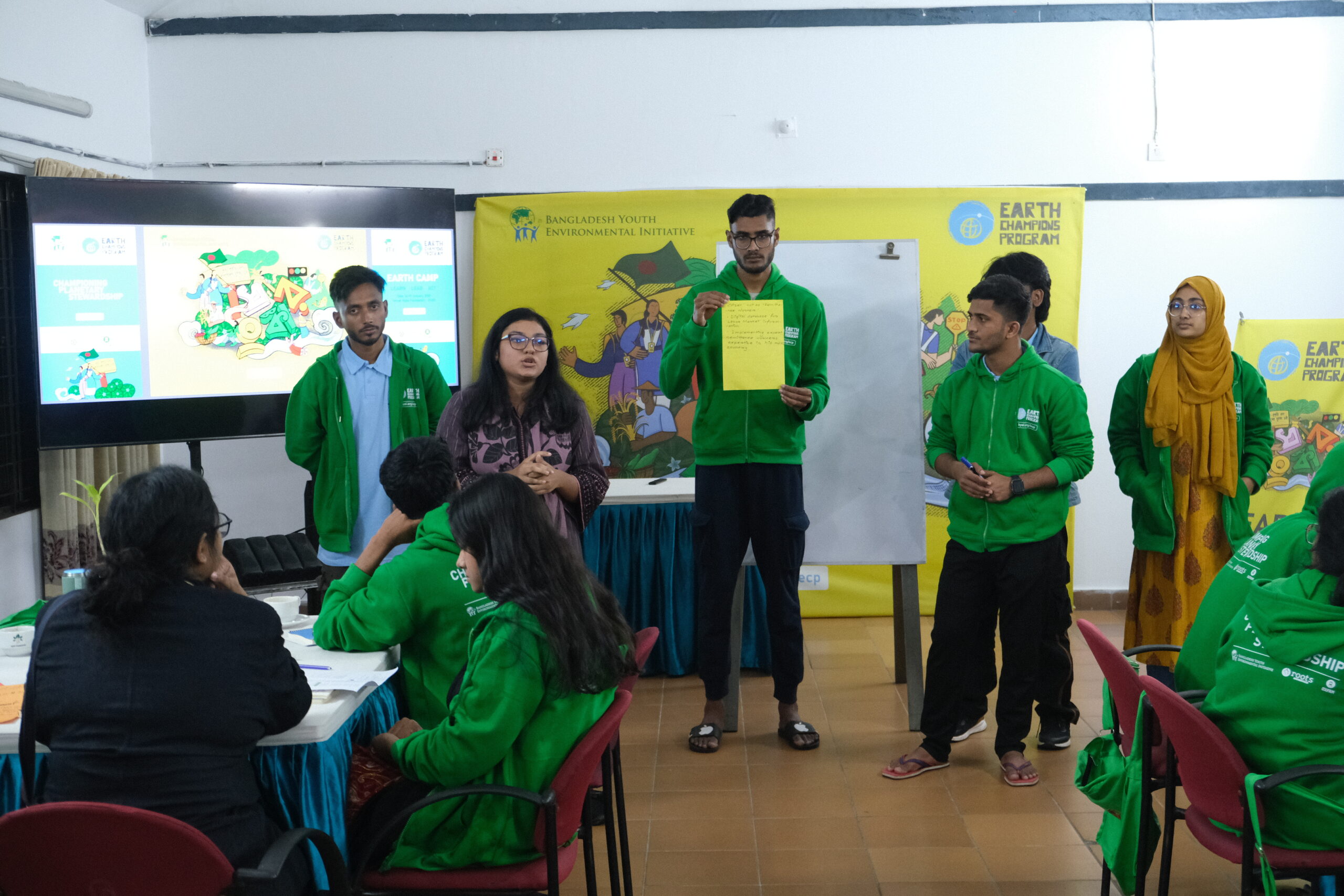
- Roots: Supported youth-led projects, initiatives, research or campaigns which advocated for climate justice through an intersectional lens. A common trend for projects in this pulse is that they used strategies that were rooted in radical systemic change with the aim of reaching new, persuadable audiences.
- Transport Storytelling: Microgrants for the storytelling of key moments/ events.
- Life Cycle: Supporting youth-led zero-waste projects or campaigns that help accelerate the fair transition to zero waste and methane mitigation from waste.
Demographics
- The youngest grantee was 16, and the oldest was 66, while the average age was 30. (The Intergenerational pulses focus on grantees from the age of 18 to 70+, rather than just ‘youth’, which has brought up the average)
- 159 grantees use she/her pronouns, 116 use he/him, and 14 use they/them.
An Abundance of Impactful Projects
Our collaboration has supported over 400 grantees from around the world, and this blog series has only offered a brief glimpse into the type of work, experiences and challenges that are connected with youth climate activism.
Other examples of projects that our grantees have worked on include:
Creating educational channels on social media to make climate activism accessible to families
- Using simple, engaging language, this YouTube channel provides tips on reducing the environmental impact at home, explains the science of climate change, and features interviews with inspiring parents, celebrities, activists, and social entrepreneurs to motivate viewers toward eco-friendly actions and green business ideas.
- The long-term goal is to build a community of “guardians of the planet” and eventually establish a school and broader movement aligned with global climate goals.
Intergenerational, 2022 – Bogota, Colombia
Zero Waste in Obunga Slum, Kenya
- This was a zero-waste project in Obunga slum, northwestern Kisumu, in Kenya.
- The project aimed to reduce landfill use through community engagement, awareness campaigns, and local recycling initiatives to foster sustainable waste practices.
Life Cycle, 2023 – Kisumu, Kenya
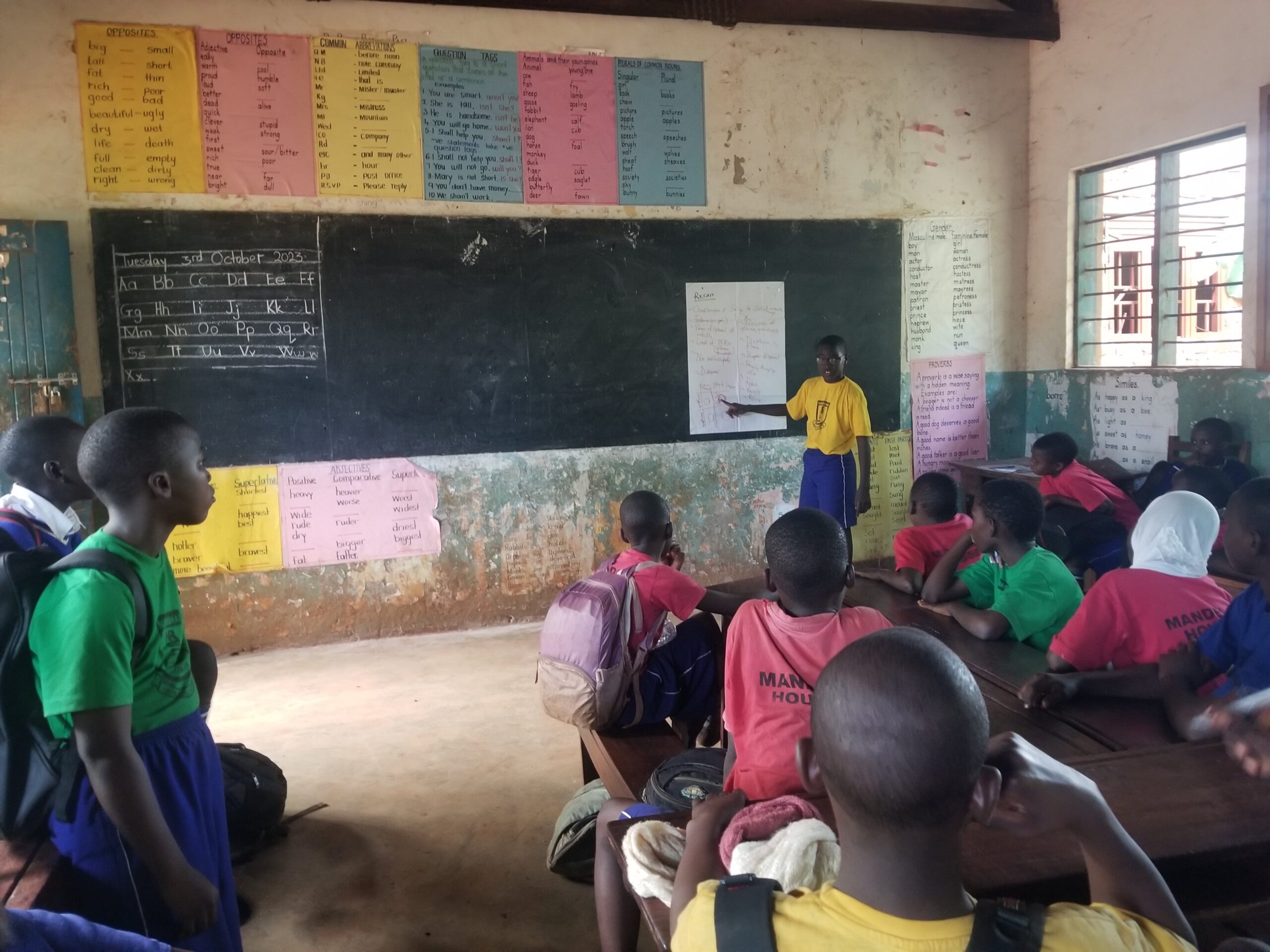
Climate and Energy Education in Philippine Schools
- Localised teaching materials applicable to learners were created to teach the just energy transition.
- Teachers and youth leaders were trained in secondary and tertiary institutions to strengthen the understanding, engagement and support for climate justice and an equitable energy transformation.
Clean Energy, 2024 – Quezon City, The Philippines
The First Bicycle Bus Initiative in Southeast LA
- This impactful project organised safe group rides for students and families to travel to school together by bike.
- It provided bicycles, safety gear and training, while also advocating for youth-led mobility justice, active transport infrastructure and community empowerment.
Youth Mobility and Transport, 2025 – Los Angeles, United States
Kids Care About Climate
- Engaged children and adults globally through collaborative artmaking, creating giant mosaics like a penguin planting a tree from thousands of drawings.
- This work aimed to educate and influence decision makers on climate issues, raise awareness about environmental protection, and inspire sustainable action among children and communities across schools and forests in multiple countries, including a European expansion leading up to COP29.
Intergenerational, 2024 – Perth, Australia
Documentary on the impact of industrialised international fishing in West African waters
- This documentary focused on local fishermen advocating against destructive practices by foreign companies.
- There were many activities as part of this project, including: convening a summit with lawmakers and stakeholders, hosting a film screening and panel discussion at the British High Commission, and networking with activists, the community, the government, coast guard, and students.
- The goals of this documentary were to raise awareness of illegal fishing, climate impacts, forced migration, and livelihood loss, and foster policy dialogue and commitments.
Storytelling, 2022 – Freetown, Sierra Leone
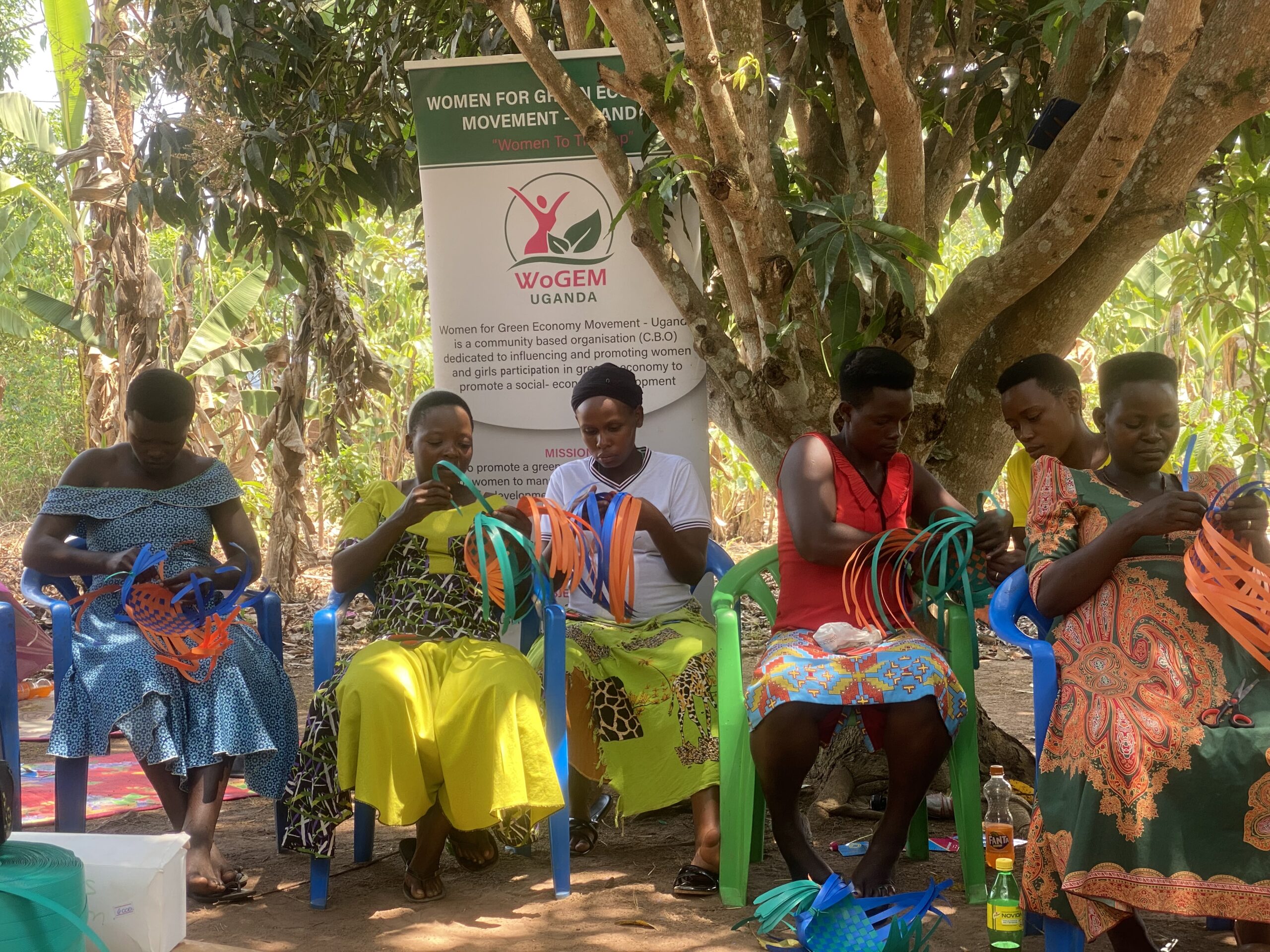
SHE-POWER: Promoting Gender Just Renewable Energy in Pakistan
- SHE POWER promoted gender just renewable energy in Looni Kot, Sindh province, an area where women are largely excluded from energy planning.
- It trained women as ‘Energy Champions’, enabling them to hold multi-stakeholder dialogues, engage with youth and become legal experts to influence gender responsive energy policies.
- Their activities included awareness walks and forums to raise visibility for women’s leadership in clean energy, ensuring that there was a socially equitable transition.
Iconics, 2025 – Thatta District, Pakistan
Promoting Cargo Bikes in Budapest, Hungary
- This campaign worked to promote cargo bikes as a sustainable, zero-emission alternative for deliveries, shopping, and transporting children, aiming to shift consumer behaviour and encourage cooperation from delivery market leaders.
- It addressed street congestion and illegal van parking in the city, worked to improve air quality and reduce CO2 emissions and promoted the health benefits of active transport.
Youth Mobility and Transport, 2022 – Budapest, Hungary
Microgrants from UMI Fund aim to kickstart small projects, which eventually grow bigger and bigger through the passion and drive of the grantees. As Anna states, ‘this might be the first grant that they’ve ever applied for, and it can really help them shape their project and think about what else can be done. It gives them a greater structure and a better footing. They can then prove that they can do something, and then they can go back and ask for more.’
Looking into the Future
From distributing funding to marginalised and vulnerable communities, to enabling our grantees’ work to have the positive impacts they envisioned, this whole blog series has been a celebration. We have celebrated the successes that our grantees have had in undertaking their influential work and the impact of the grants that have been received.
It’s difficult for this not to be highlighted with community impacts, justifying the importance of the work being done. We have also celebrated our collaboration with UMI Fund, further delving into our relationship with the funder and honouring what we have been able to achieve.
Although these achievements have been far-reaching, it’s an understatement to say that they have come without any challenges. In the previous blog, we highlighted some of the practical difficulties our grantees faced when carrying out their projects, including bureaucratic hassles, being a woman in a male-dominated society and navigating an ever-changing funding landscape. Unfortunately, with the rise of the far right and the shutting down of support for progressive causes, these challenges will continue and diversify.
Nevertheless, it’s significant to keep on funding grassroots youth projects and acknowledge that consistently doing so also means investing funds into the future and the future of our planet. It’s also important to place greater recognition on the people on the ground. They’re the ones deciding what they need to be doing and the economic wealth inequalities that need to be addressed.
Expanding on this further, Anna shares:
‘Youth-led climate initiatives still receive less than 1% of global climate funding, leaving some of the most impactful frontline leaders operating with minimal resources, despite driving transformative solutions. This funding gap misses the massive opportunities for youth leaders to respond, organise, and sustain momentum for the future we so urgently need. Continuing our support in 2026 is critical to closing this gap and strengthening the frontline of climate justice.’
And where will our collaboration take us in 2026 and beyond?
Anna shares, ‘I think hopefully more of the same. Just continuing to have a really strong evolving relationship and putting the grantees first and finding ways to support them better and to streamline things so that we can do even more together. I think it will be a long and fruitful relationship.’
Want help distributing grants?
At SCN we pride ourselves in the way that we can quickly adapt to ever-changing climates and support clients in new, improved and innovative ways as much as possible. Ensuring that we can get funds out to grantees within the appropriate governance, financial and administrative remits is our priority.
We:
- Conduct due diligence on the grantees and the country context in which we will be sending the funds to.
- Send ID checks for verification to the grantees.
- Ensure that all grantees have completed their grant agreements to formalise their grant process.
- Send the grant, supported by our finance team, to minimise delays and any other issues which may arise at the time of transfer.
If you’re a funder and you want to get your money to grassroots organisations, please reach out to kristen@thesocialchangenest.org or
Further information:
- The listed statistics only include pulses that were and have been completed. At the time this blog was published, only 5 out of the 6 pulses of 2025 had been completed. The last pulse (Youth Life Cycle) is not included.
- For some pulses, certain questions were not asked, hence, all the information provided is based on the answers that were given.
- Grants and pulses ranged in size depending on how many people were granted and how much was allocated per pulse, along with how much the grantees asked for.
- Due to restrictions on sending funds internationally, India has not been included in the statistics for place or country.